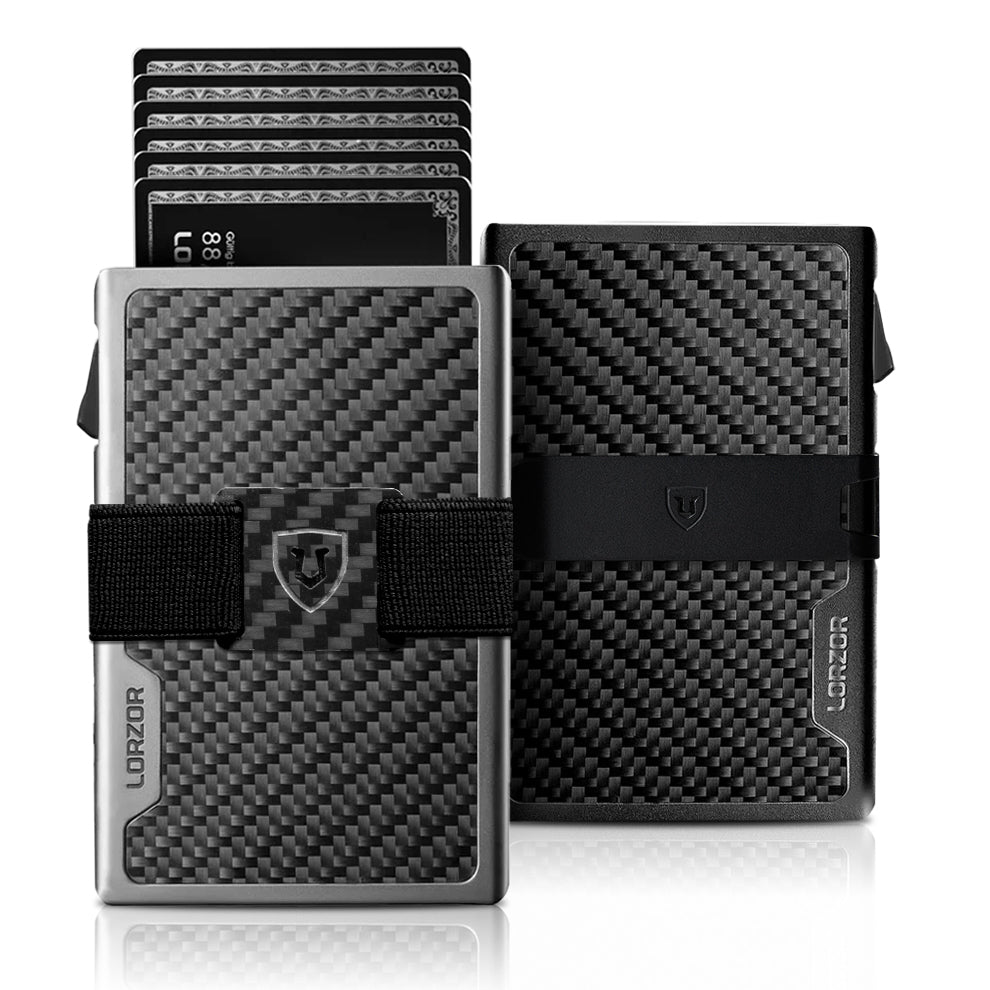
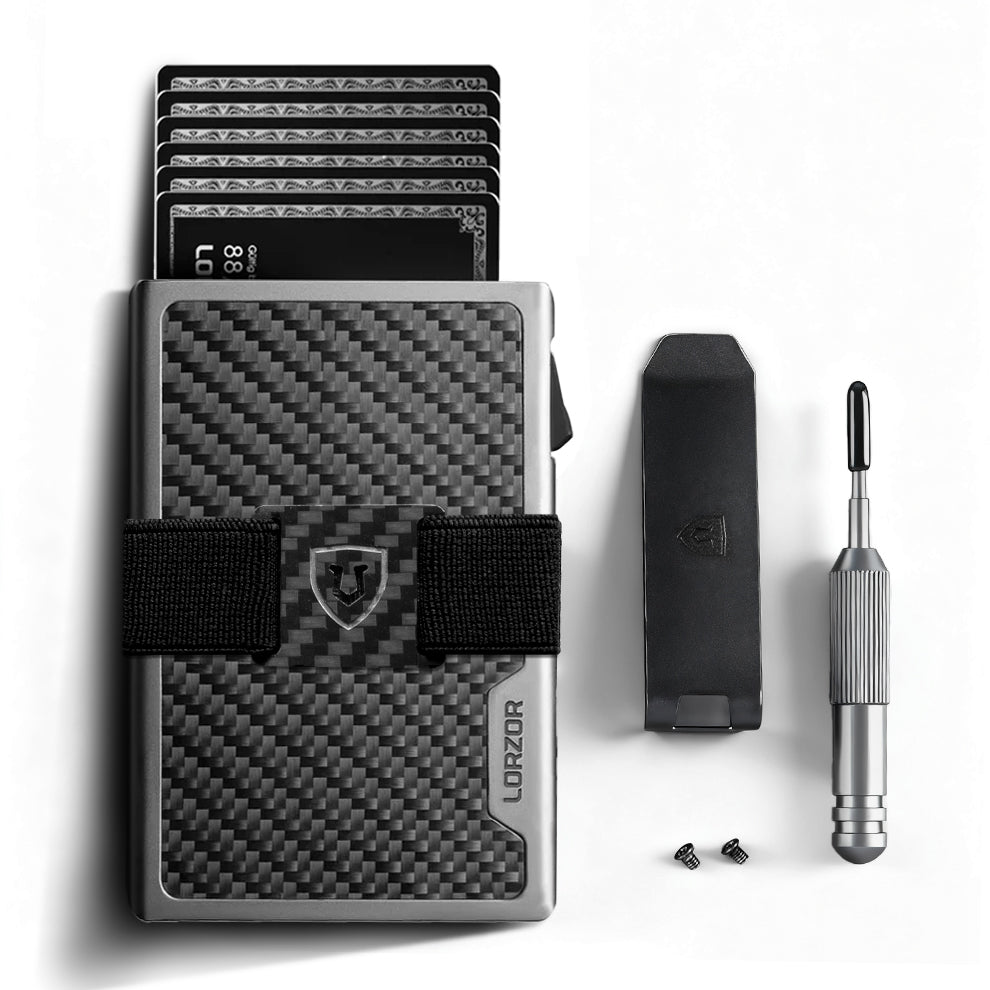
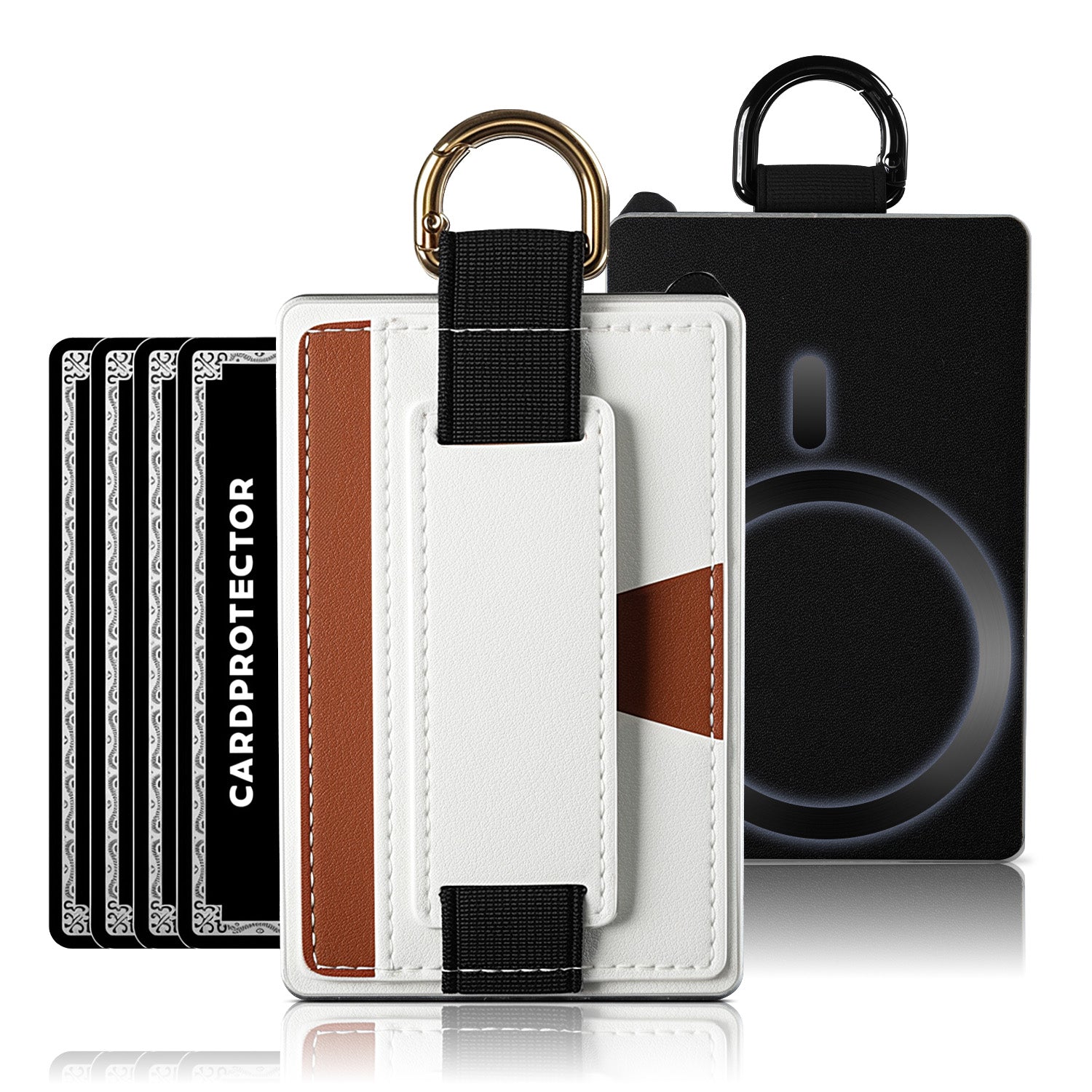
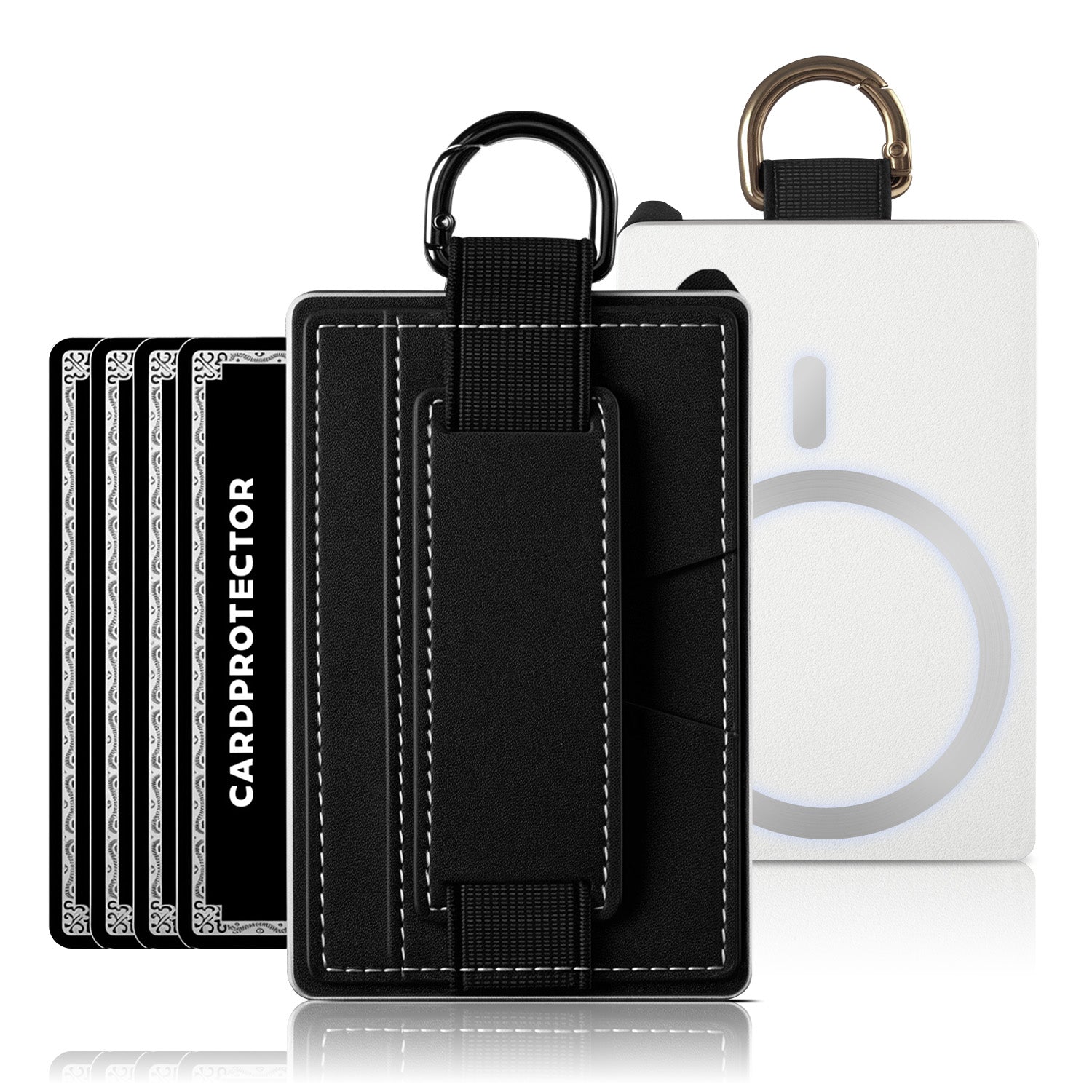
A Wallet Should Wear In. Not Come Apart.

Why LORZOR went back to the connection between leather and metal.
It often starts with a corner.
The leather lifts slightly from the metal cardholder. You press it back down. A few days later, you notice it again. The card mechanism still works, the leather still looks good, but the wallet no longer feels properly put together.
For a product you handle several times a day, that small separation becomes difficult to ignore.
Leather and metal make an appealing combination in a modern wallet. Keeping them securely connected has also been a recurring frustration for some owners. It is a problem LORZOR has encountered too, and one we have spent considerable time working to address.
A Real Complaint Behind the Product Photos
In a discussion about pop-up wallet durability, one owner described using two Ekster wallets whose leather eventually separated from the aluminum cardholder after around one to two years. The mechanism, they said, had not been the issue. The connection was.
The same owner praised the straightforward replacement they received after the first failure, but reported that the replacement later developed the same problem. Their account captures a particular disappointment: liking the way a wallet works, yet losing confidence in how it holds together. Read the owner's account.
That is an individual experience, not a failure rate for an entire brand. But the problem it describes is recognizable: a useful cardholder and an attractive leather exterior, let down by the join between them.
You can appreciate the convenience of pop-up cards and still expect the leather to stay attached.

We Encountered It Too
This is not a story about LORZOR getting everything right on the first attempt.
We encountered leather-to-metal bonding problems in our own products. Seeing that connection loosen made one thing clear: choosing good leather and building a solid aluminum cardholder were not enough. The way we joined them needed more work.
“Built to last” had to influence what happened next.
We invested time in reviewing the construction, testing alternatives, and improving the bonding area. We looked beyond whether a finished sample appeared neat and asked what happened when someone actually pulled on the leather.
Where did the force go? Which edge began to lift? What was holding the layers in place?
Those questions led us toward a structural change, supported by an adhesive formulation developed for the application.

Change How the Pull Reaches the Bond
Leather is flexible. An aluminum cardholder is rigid. When someone pulls on the leather body, the connection between them has to carry that force.
An exposed edge can become a starting point for peeling. Simply applying more glue does not change where the pulling force enters the joint.
Our approach was to reconsider that path.
LORZOR LockBond™ Structure brings together an adhesive-retaining layer, supporting stitching, a prepared metal bonding surface, and a specially formulated adhesive. The arrangement is designed to change how a pull on the leather is transferred into the joining area, rather than leaving the exposed adhesive edge to take the strain alone.
Stitch placement is important here. It secures the supporting layer to the wallet body, and its position affects how the connection responds when pulled. The material beneath the leather and the preparation of the aluminum surface also contribute to the bond.
That is why we call it a structure. LockBond™ is not simply a different glue with a name on the bottle.

The Adhesive Had to Work With the Structure
Changing the construction did not make adhesive less important. It made choosing and refining it part of a more complete solution.
We paired the structural changes with a specially formulated adhesive for this leather-to-metal application. The objective was a dependable connection between materials that behave differently, with the clean finish expected from a carefully made wallet.
The formulation and the construction need to work together. A supporting layer cannot compensate for an unsuitable adhesive, just as adhesive alone cannot correct every weakness in the way a joint is arranged.
For the customer, the result we are working toward is straightforward: leather that feels securely integrated with the cardholder, rather than like a cover that might start coming away.

Then We Put It Under Tension
We also subjected wallets to pull-strength testing, applying force to the connection between the leather body and metal cardholder.
This makes a hidden part of the product visible. You can watch how the wallet responds under load, where movement begins, and how the joining area behaves as the pull increases.
The number on the instrument matters, but so does the sample beside it. The footage lets you see the construction being challenged instead of simply taking our description of it.
Watch the LORZOR Leather-to-Metal Pull Test

Testing gave us a way to examine changes in the construction and a way to show customers the work behind the finished wallet. It is part of development, not just a demonstration saved for the camera.
What This Means for TriPop
Consider the LORZOR TriPop Wallet: a full-grain leather body, a trifold layout, cash storage, and an aluminum pop-up cardholder.
You unfold it to reach a bill. You operate the mechanism to choose a card. You close it, grip it, and slide it back into a pocket or bag. Throughout those movements, the leather and metal need to feel like parts of one product.
The bonding work supports that experience. It is not the first detail that attracts someone to TriPop, but it deserves attention before the wallet reaches their hands.

Built to Last Means Going Back and Improving
We are proud of LockBond™ Structure because it represents a problem we chose to work on, including when that problem was our own.
The engineering may sit beneath the leather. The responsibility does not.
Better construction begins with noticing what can go wrong, understanding why, and making changes that can be tested. That is the work behind this development, and the standard we intend to keep applying.