The Case for Fewer, Better Carry Objects
Carrying less is not about empty pockets. It is about choosing objects that earn their place through usefulness, comfort, material feel, and daily reliability.
Most people do not notice how much they carry until something starts getting in the way.
The wallet feels thick when they sit down. The keys scratch a phone. A stack of old cards makes the one useful card harder to find. A travel day adds passport, cash, boarding pass, ID, receipts, and one more small thing that has to be checked before leaving the hotel room.
None of these problems is dramatic. That is why they are easy to ignore.
But everyday carry is built from small moments. The objects you carry should make those moments easier, not louder.
That is the case for fewer, better carry objects.
Not fewer as a style pose. Not fewer because an empty pocket is automatically better. Fewer means every object has a job, earns its place, and feels good enough to stay in the routine.

Fewer Is Not the Same as Bare Minimum
Minimalism can become impractical when it turns into a contest.
The goal is not to carry the least possible number of things. The goal is to carry the right things with less friction.
A person who travels for work may need more than a card holder. A person who pays with one card may not need a bulky bifold. Someone who already uses AirTag may want an AirTag-ready wallet. Someone who wants a cleaner pocket may prefer a slim RFID wallet with no tracking feature at all.
Fewer, better carry starts with honesty:
- What do you reach for every day?
- What do you carry out of habit but rarely use?
- What slows you down at checkout, in a car, at work, or while traveling?
- Which object feels good enough that you do not think about replacing it?
That last question matters. A carry object is not better because it has more features. It is better when it disappears into the day in the right way.
Better Objects Earn Their Place
A better carry object does not need to announce itself.
It should feel right in the hand. It should fit the pocket or bag where it actually lives. It should make access easier. It should be durable enough for daily use. It should look appropriate in more than one setting: work, dinner, airport, coffee counter, weekend trip.
For a wallet, that means the details are not small.
Edges matter because hands and pockets feel them every day. Thickness matters because a wallet is carried loaded, not empty. Card access matters because the same payment moment happens again and again. Cash and ID still need a sensible place if the product promises daily usefulness.
Technology matters too, but only when it solves a real problem. RFID-blocking protection can be useful. Tracking-compatible designs can add reassurance. Quick card access can save repeated small friction. But none of these features should turn the object into something you have to manage.
Better means the feature serves the carry, not the other way around.
The Wallet Is the First Place to Simplify
The wallet is where carry clutter often hides.
Old receipts. Expired cards. Loyalty cards that now live in an app. Backup cards carried out of fear rather than need. Cash folded into the wrong pocket. ID buried behind something else.
A minimalist wallet should help you simplify that without forcing you into a false version of your life.
The best minimalist wallet is not always the smallest wallet. It is the one that carries what you actually use, keeps it accessible, and stays comfortable after it is loaded.
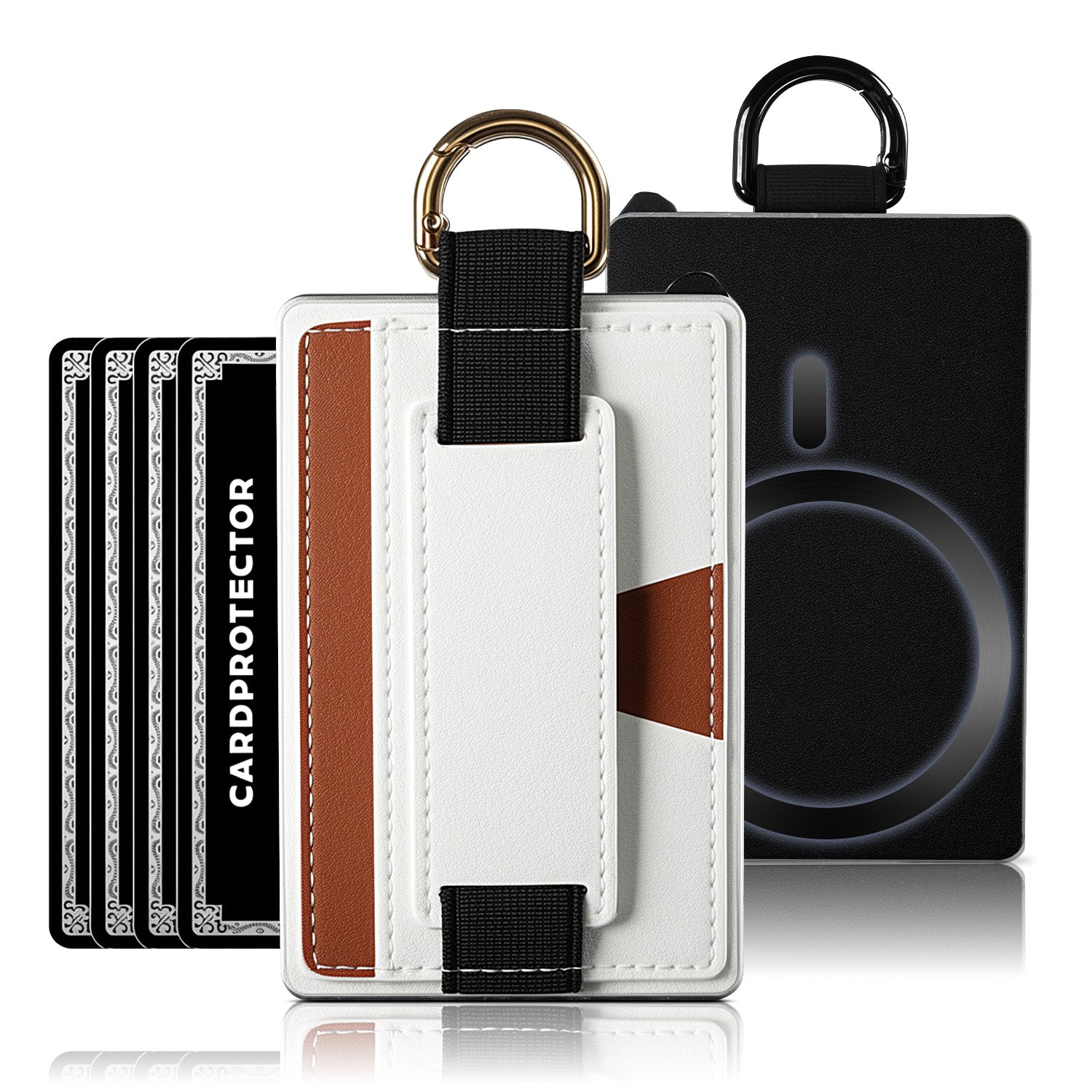
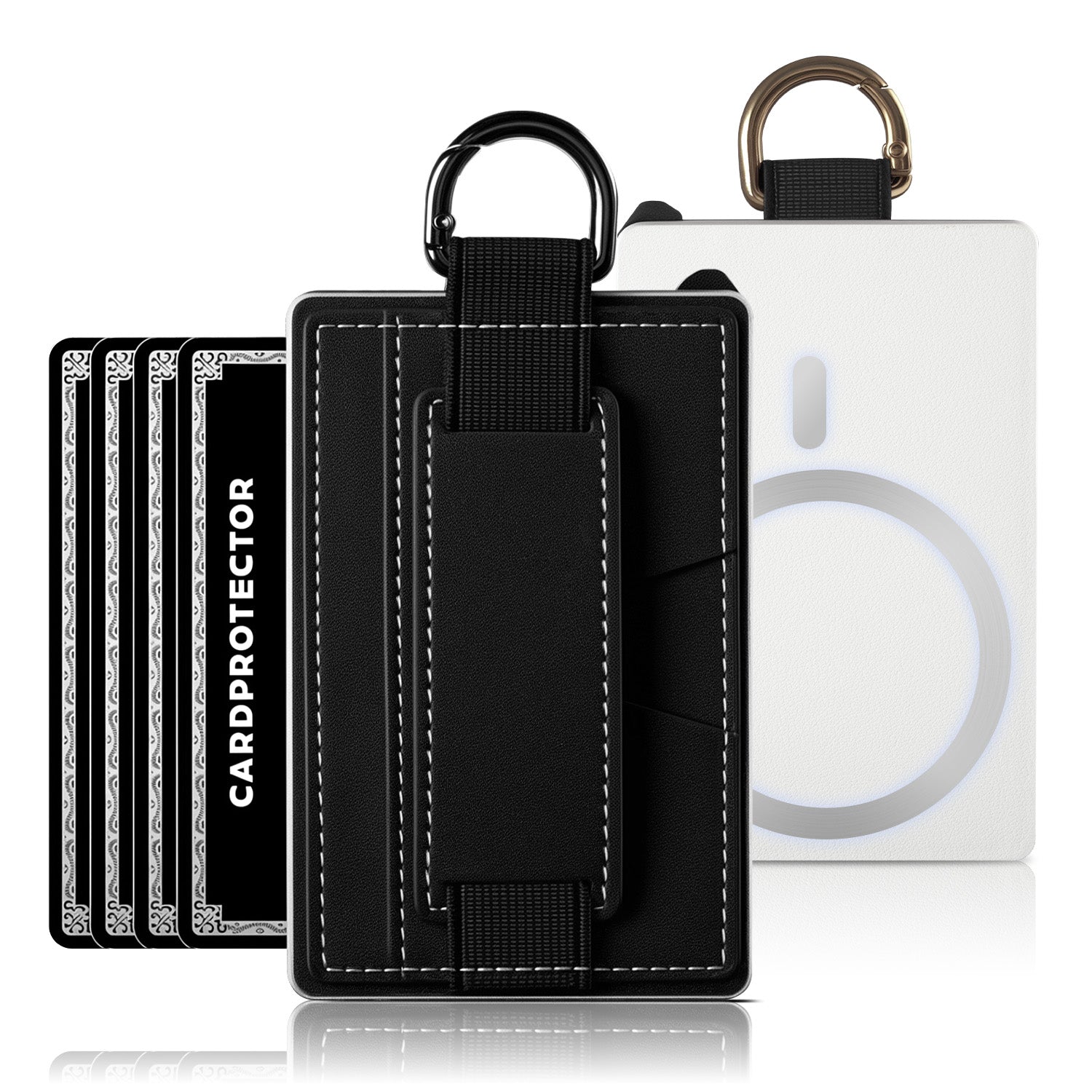
For some people, that means a leather smart wallet with quick access and tracking support. For others, it means an AirTag-ready wallet that fits an existing Apple routine. For others, it means a structured cardholder or a quiet RFID-blocking wallet that does fewer things but does them well.
The point is not to remove function. The point is to remove waste.

Quiet Technology Belongs in Better Carry
Technology does not automatically make carry better.
It can make carry busier. More charging. More setup. More alerts. More reasons to think about an object that should simply be ready.
But the right technology, in the right place, can make a carry object easier to live with.
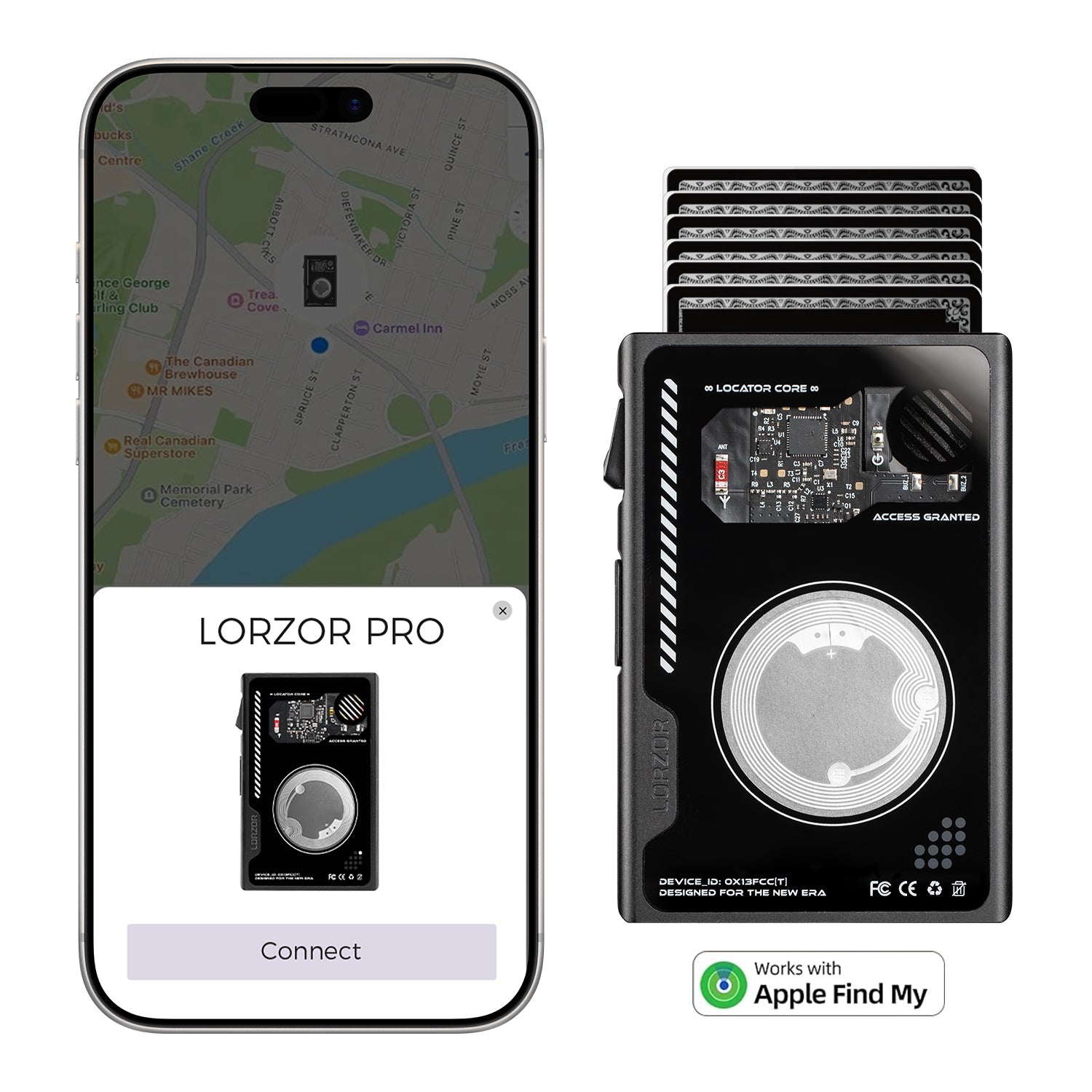
RFID-blocking protection works best when it sits quietly in the background. AirTag-ready structures make sense when a person already uses AirTag and wants a wallet designed around that habit. Selected tracker products support Apple Find My, but compatibility should always be checked on the exact product page.
Quiet technology is not about showing off what an object can do.
It is about reducing the moments when you have to stop and worry: Where is my wallet? Which card do I need? Is this too bulky for a front pocket? Did I bring the right travel essentials?
When technology answers a real question without making the object feel like a gadget, it earns its place.
Material Is Part of the Decision
Fewer objects ask more from each object.
If you carry one wallet every day, the material matters. If you take one passport holder on every trip, the way it feels and wears matters. If you give one practical gift, it should feel considered, not disposable.
Leather has a role here because it changes the relationship between person and object. It gives warmth, grip, and texture. It can soften structured parts. It can pick up marks from desks, pockets, airport trays, and travel days without losing its usefulness.
That is not just about looking premium.
It is about making a functional object feel human enough to keep using.
This is where LORZOR's point of view stays consistent: leather first, technology in its place. Modern carry can include RFID protection, tracking-ready design, quick card access, and practical organization, but the object should still begin with hand feel.
Why Fewer, Better Makes a Strong Gift
Good gifts are not always the most surprising gifts.
Often, the best gifts are the ones that get used.
That is why fewer, better carry objects can work well as gifts for men who already have enough novelty items, desk gadgets, and things that live in drawers. A well-chosen wallet, card holder, passport holder, or travel carry object is personal without being overly sentimental. It helps someone move through the day with less friction.
The key is to choose by use, not by stereotype.
For someone who travels often, organization may matter more than extreme slimness. For someone who keeps a wallet in a front pocket, thickness and edge feel matter. For someone who misplaces small essentials, an AirTag-ready or tracker-compatible direction may be useful. For someone who prefers quiet design, a simple leather RFID wallet may be better than a feature-heavy product.
A practical gift should say: I noticed how you move through the day.
That is stronger than a gift that only says: I found something expensive.
Where LORZOR Fits
LORZOR creates leather-led modern carry goods for work, travel, and everyday movement.
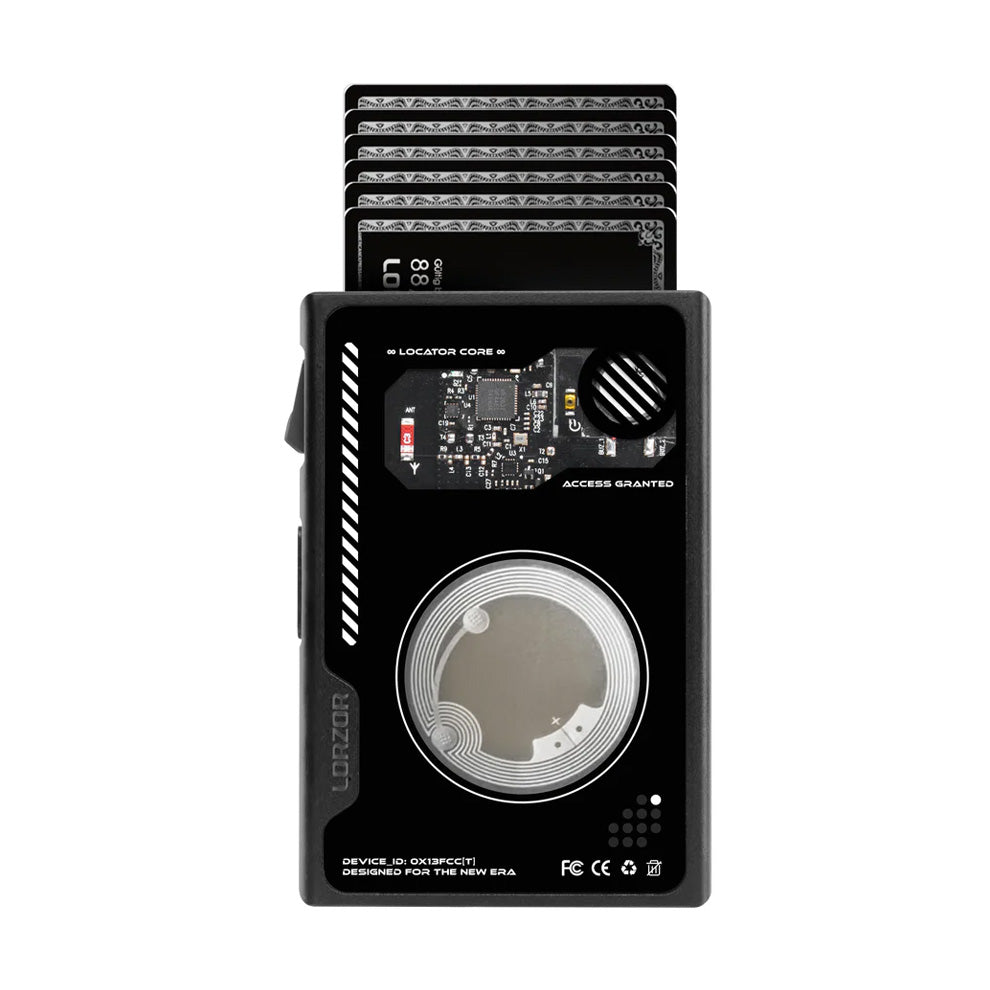
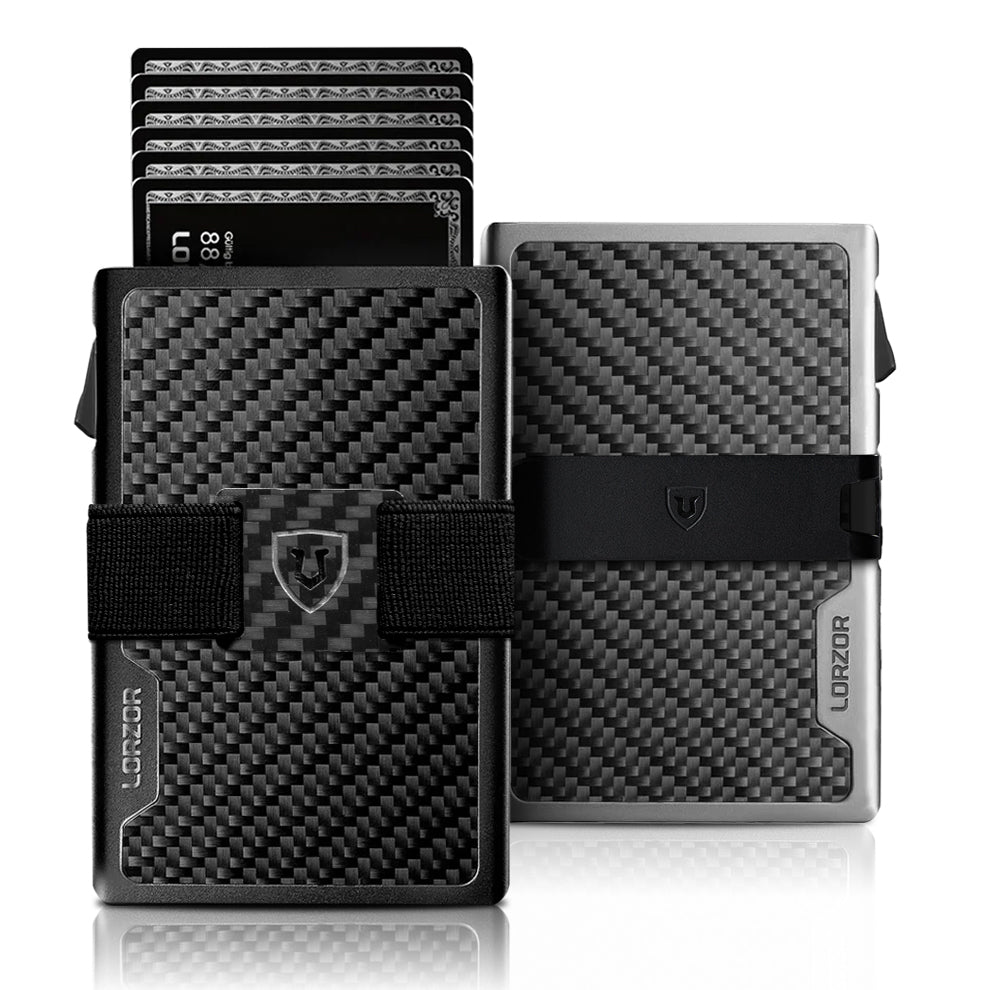
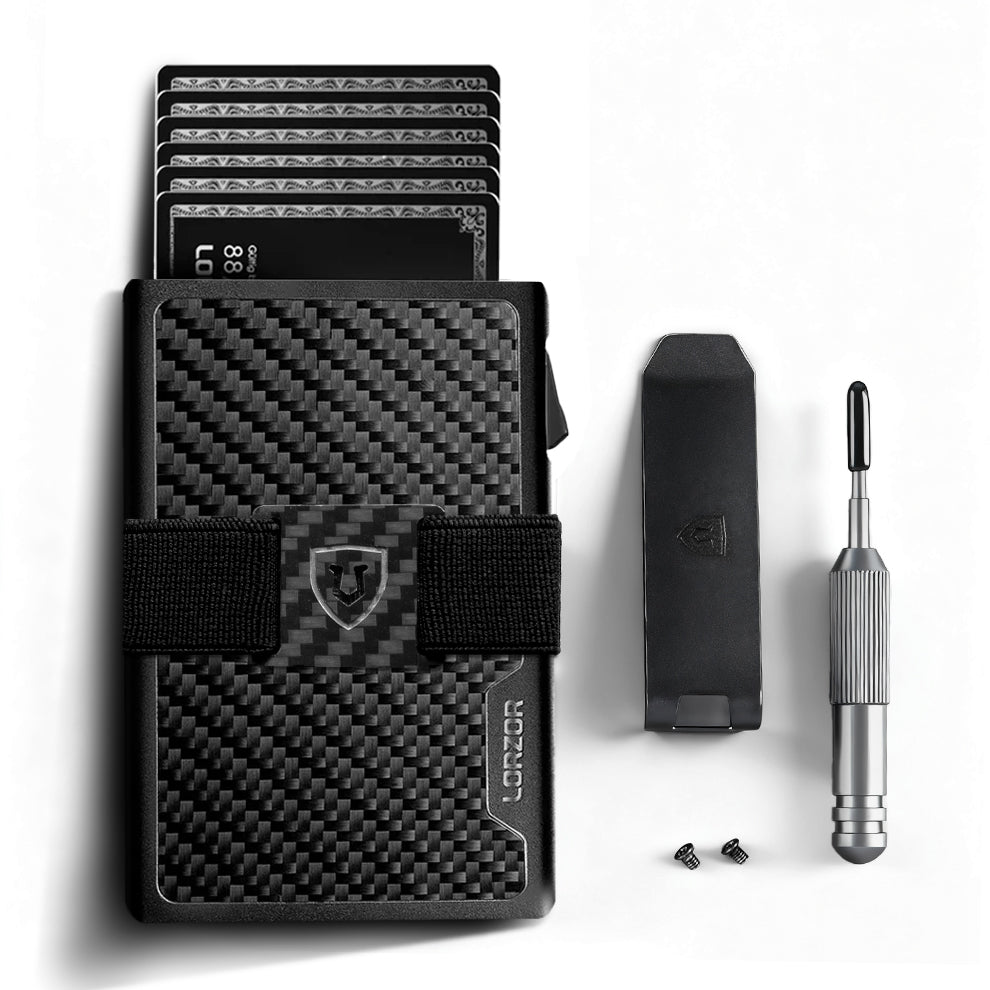
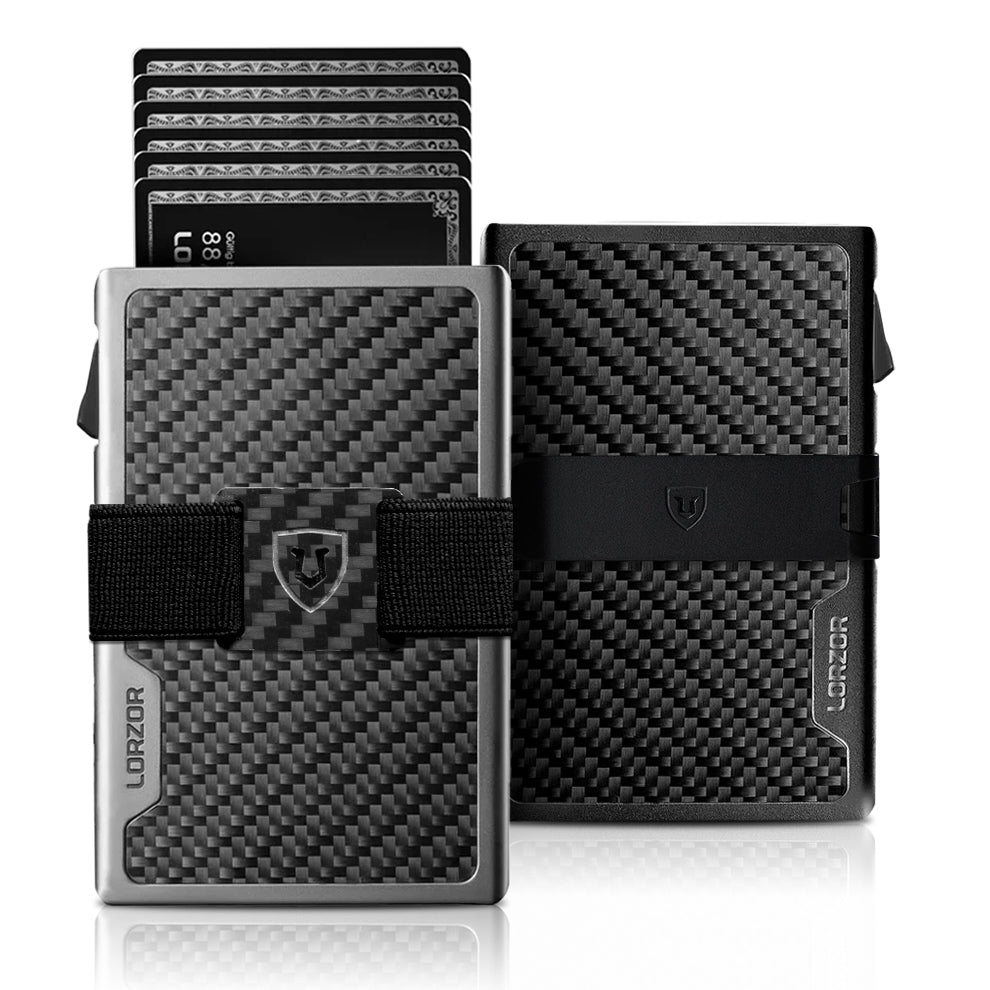
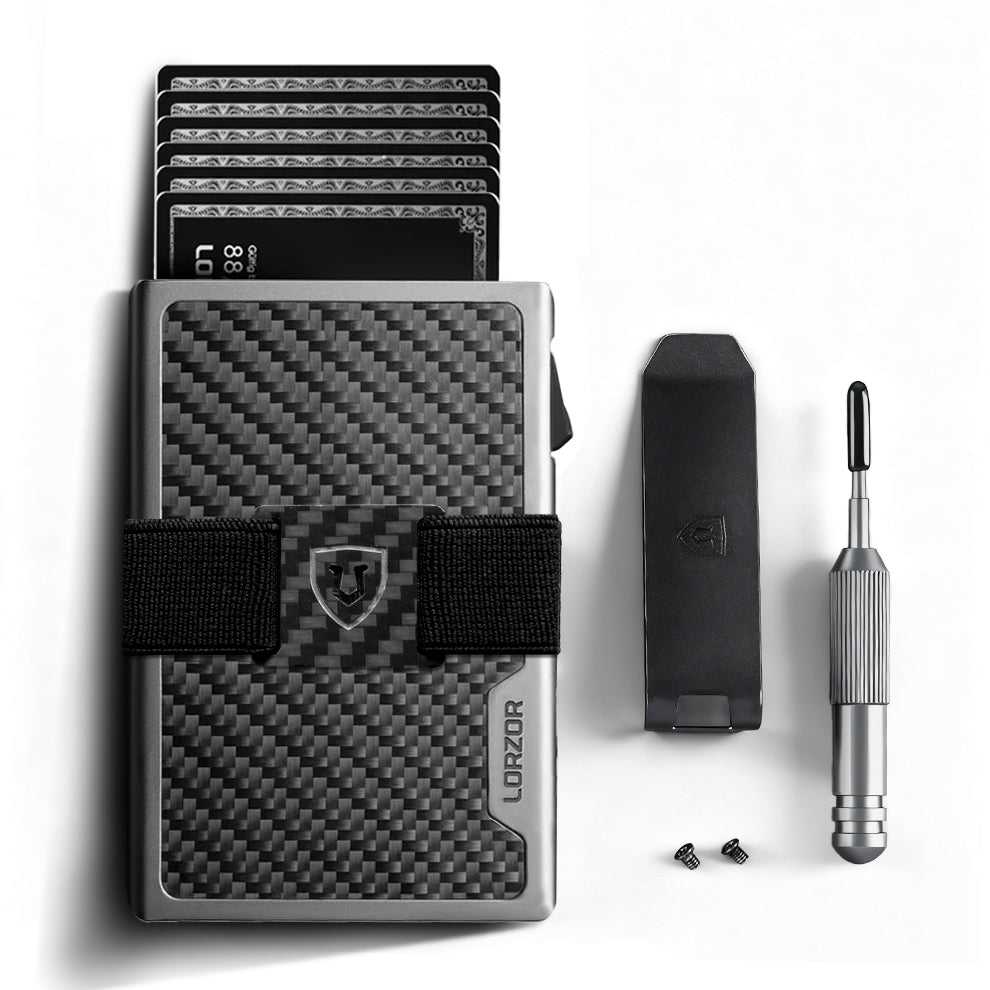
That means the brand is not trying to make every object louder. LORZOR wallet pro, LORZOR AirTag wallet A1 / 4.5, LORZOR 1979 Tactical Wallet, a compact card holder, or a passport holder should each solve a different carry problem. Some products lean more technical. Some are more about structure. Some are about travel organization. Some are simply about carrying less in a better way.
The common standard is practical:
Does it feel right in hand?
Does it make access easier?
Does it carry what the user actually needs?
Does the technology stay useful without taking over?
Does the object feel worth keeping after the first week?
If the answer is yes, the object has earned its place.
A Simple Test Before You Buy or Keep Anything
Before adding another carry object, ask five questions:
- What job does this object do?
- Does it replace clutter or add to it?
- Will I use it every week, not just admire it once?
- Does it feel good enough to carry daily?
- Does it make movement easier?
If the answer is unclear, the object may not belong in your pocket, bag, or travel routine.
Fewer, better carry is not about restriction. It is about attention.
Choose the objects that earn their place. Let the rest stay behind.
Right in Hand. Ready for the Road.

FAQ
What does "fewer, better carry objects" mean?
It means choosing carry items that earn their place through daily usefulness, comfort, durability, and fit. The goal is not to carry nothing. The goal is to carry fewer things that work better.
Is a minimalist wallet always better?
No. A minimalist wallet is better only if it carries what you actually use. If it becomes too limited for cards, cash, ID, or travel needs, it may create more friction instead of less.
What makes a good everyday carry wallet?
A good everyday carry wallet should feel comfortable when loaded, make your most-used cards easy to reach, keep essentials organized, and fit the way you actually move through the day.
Is a smart wallet still minimalist?
It can be. A smart wallet can still fit a minimalist carry style if its technology solves a real problem without adding bulk, visual noise, or extra management.
Why are wallets good gifts for men?
A wallet can be a strong gift because it is used often, carried daily, and personal without being overly complicated. The best choice depends on the recipient's carry style, not just the product's feature list.
What should I carry every day?
Start with essentials: ID, primary payment card, backup card, transit or work card if needed, and a small amount of cash if you use it. Add tracking or travel organization only when it solves a real problem.
Explore Everyday Carry
Explore LORZOR carry goods built around leather feel, practical organization, and everyday movement.