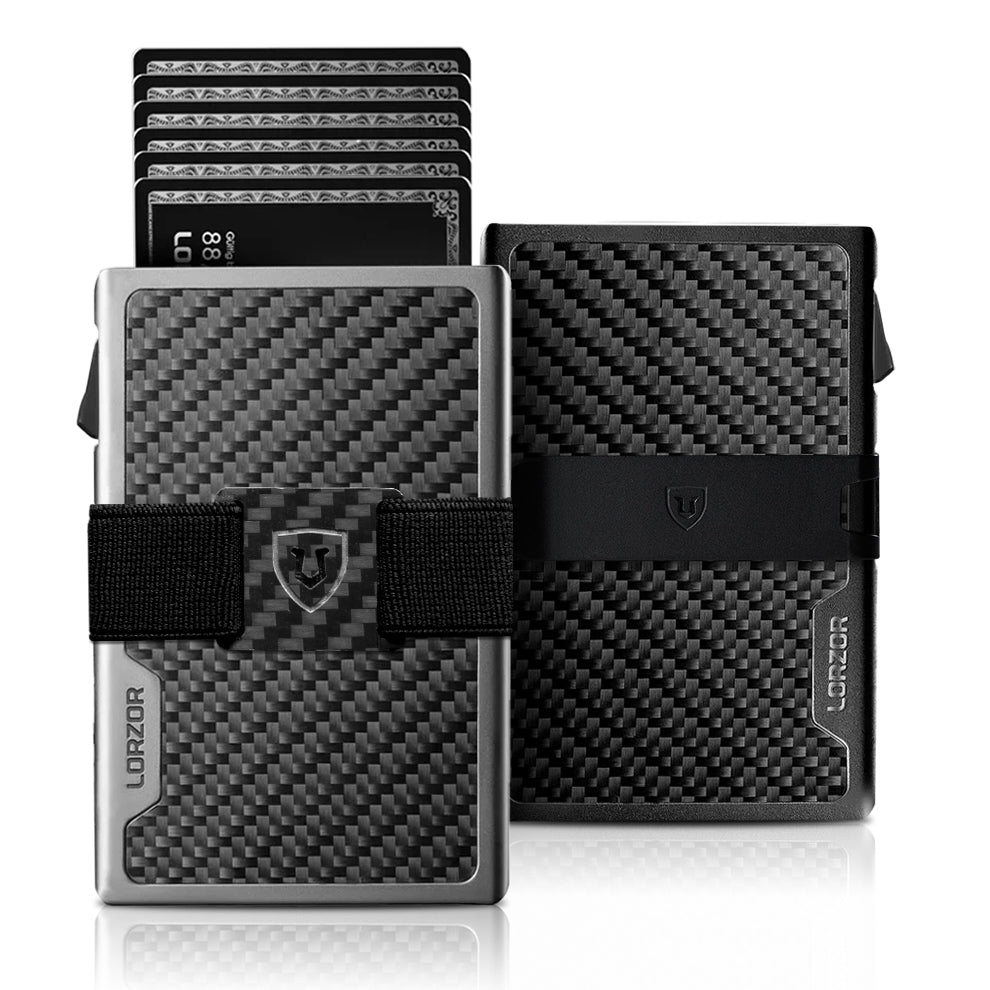
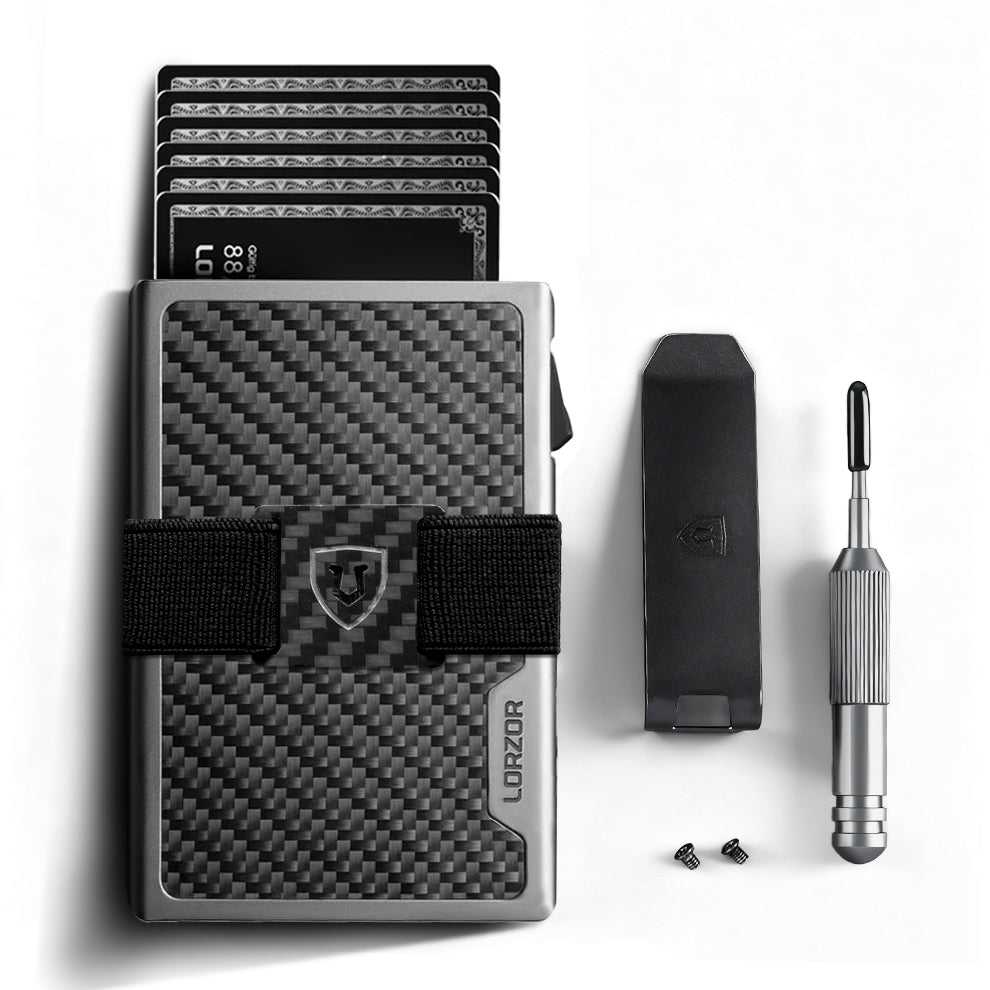
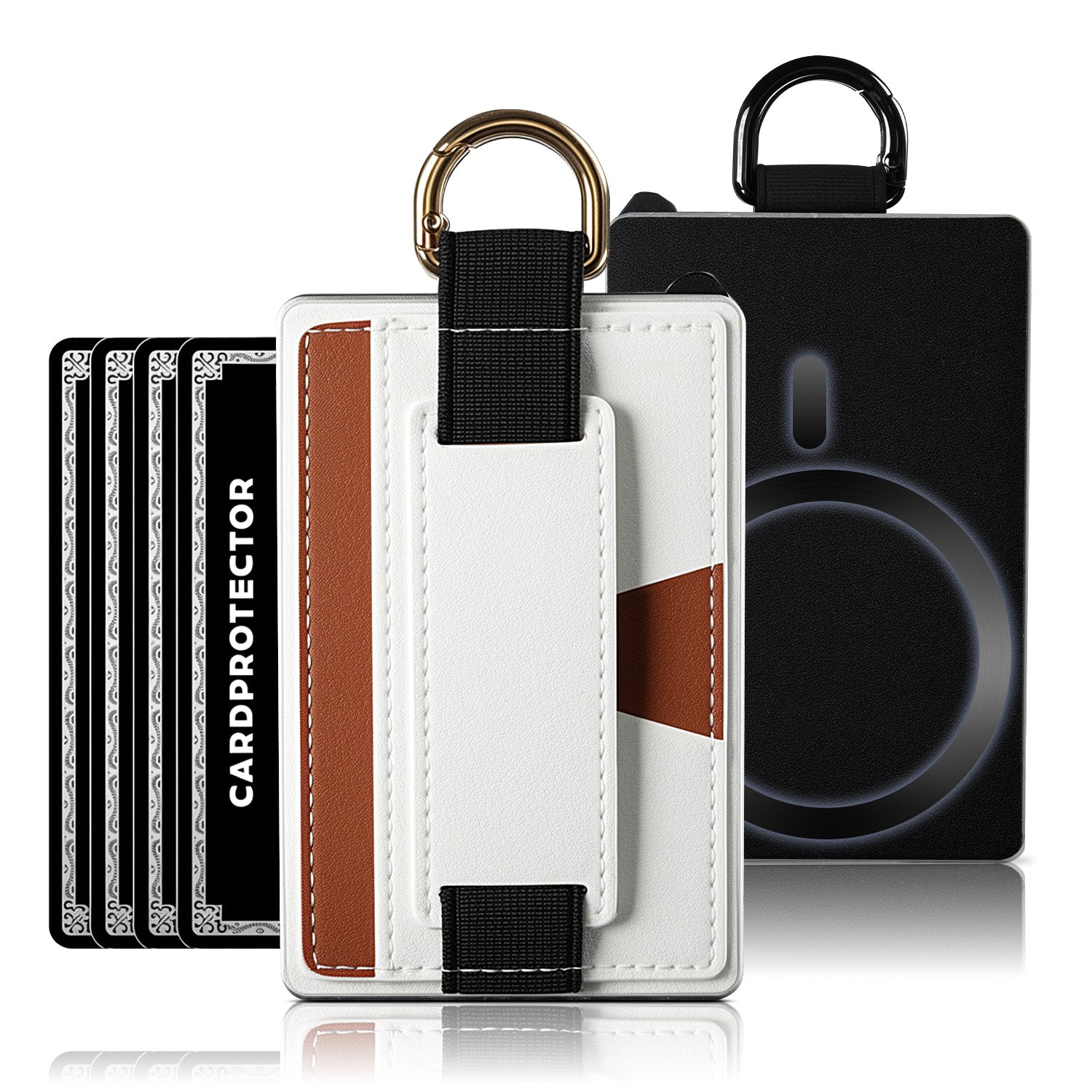
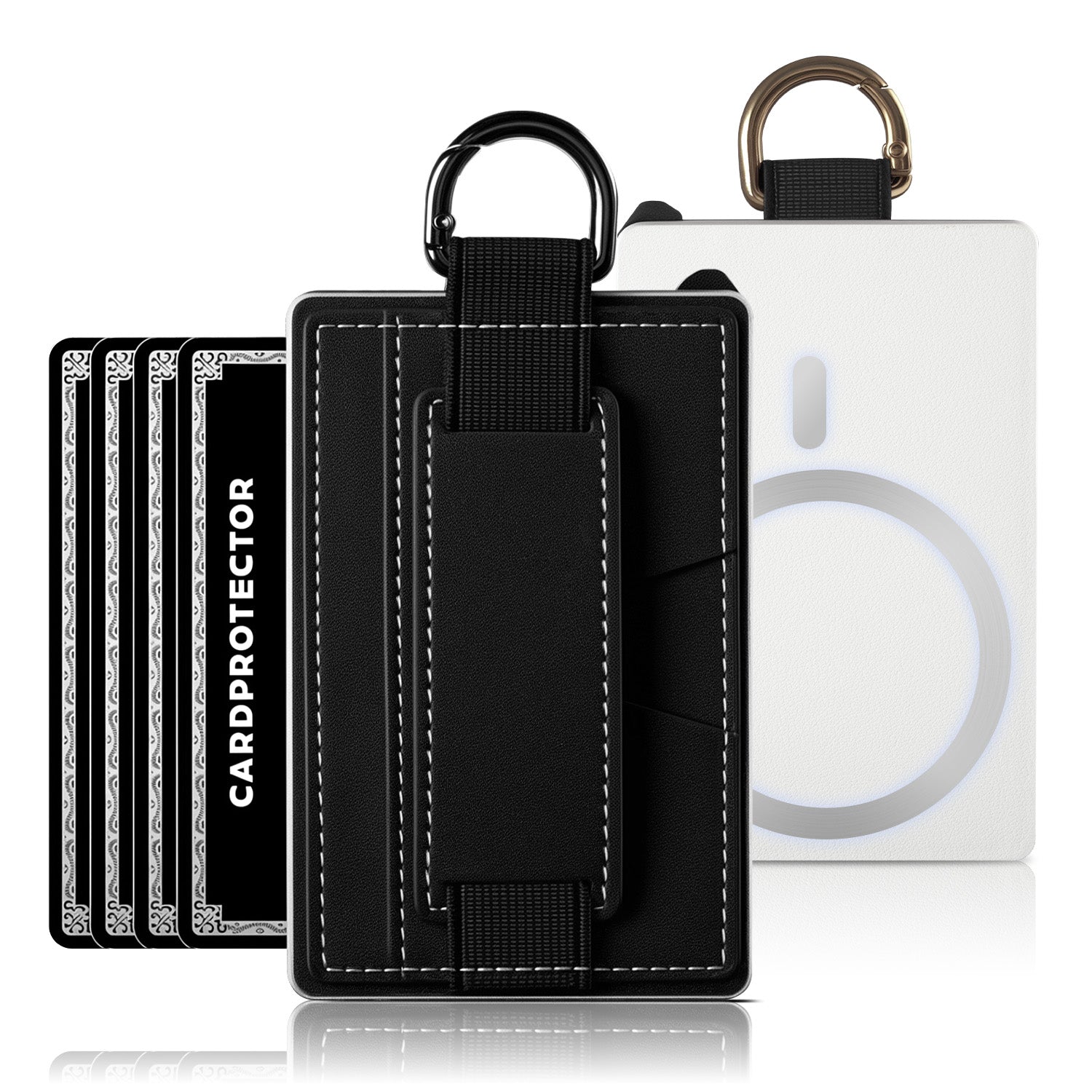
Built to Last: Why a Durable Wallet Starts Before Checkout
Durability is not only what happens after a product is used. It starts earlier, with better materials, clearer product information, better fit, and design choices that help carry goods stay useful longer.
A product does not become durable only after someone starts using it.
By then, many of the important decisions have already been made.
The material has been chosen. The edges have been finished. The card slots, folds, hardware, stitching, closures, and structure have been designed. The packaging has been selected. The product page has either helped the customer choose the right item or left too much to guess.
That is why durability starts before checkout.
For LORZOR, "built to last" is not just a line about toughness. It is a more practical way to think about responsibility. A wallet or carry object that stays useful longer does not need to be replaced as quickly. It gives the customer more value, reduces avoidable returns, and helps limit the pressure to keep buying the same thing again.
That does not make any product indestructible. Everyday carry lives a real life: pockets, bags, cars, airport trays, desks, weather, pressure, cards, cash, keys, and repeated handling. But a better product should be designed for that reality before it reaches the customer.

Durability Is Designed Before It Is Tested
Many people judge durability only after something breaks.
That is too late.
A durable wallet starts with decisions most customers may never see directly: how the structure holds cards, how the edges meet the hand, how the material bends, how the closure behaves, where pressure gathers, and whether the product still feels right after it is loaded.
Small details decide long-term usefulness.
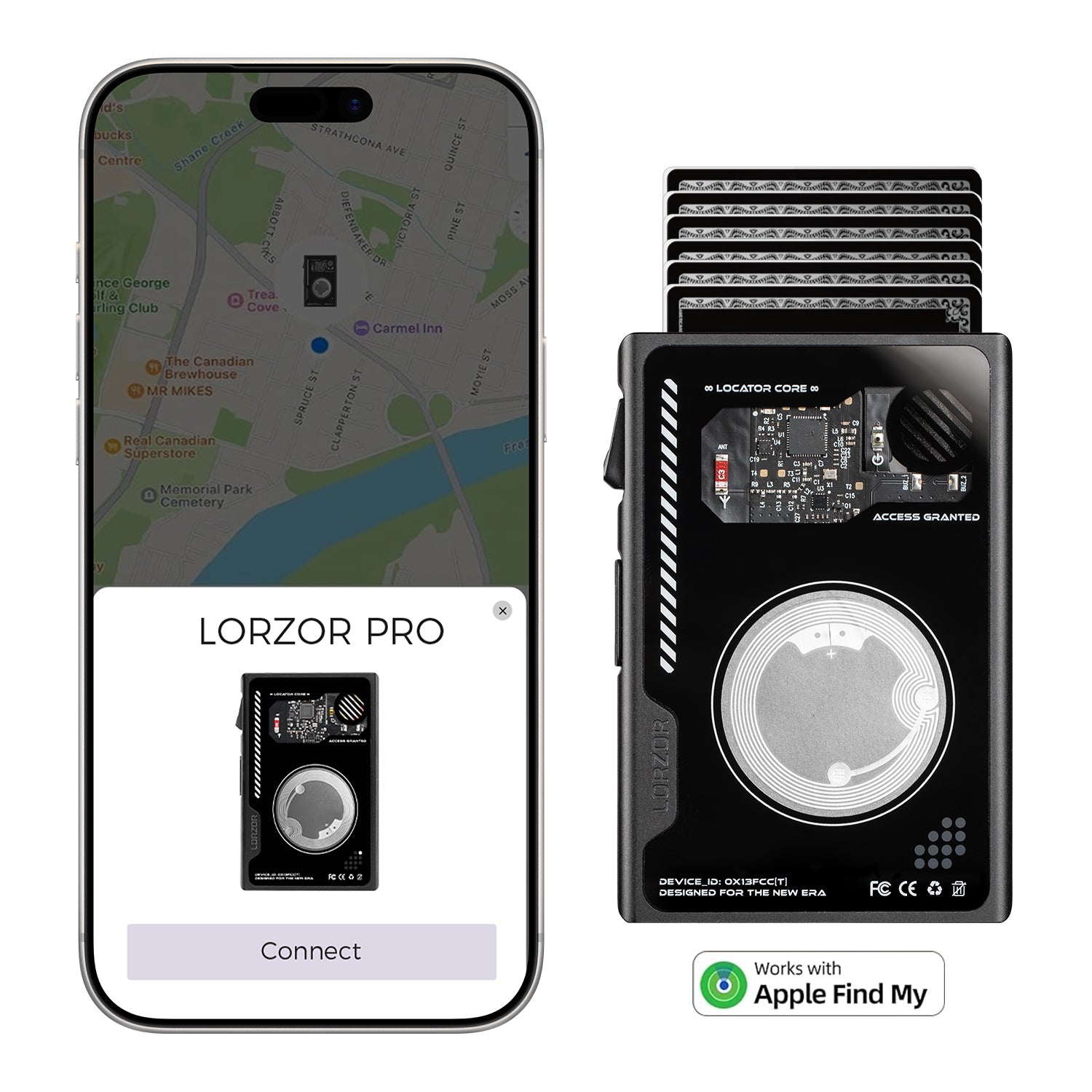
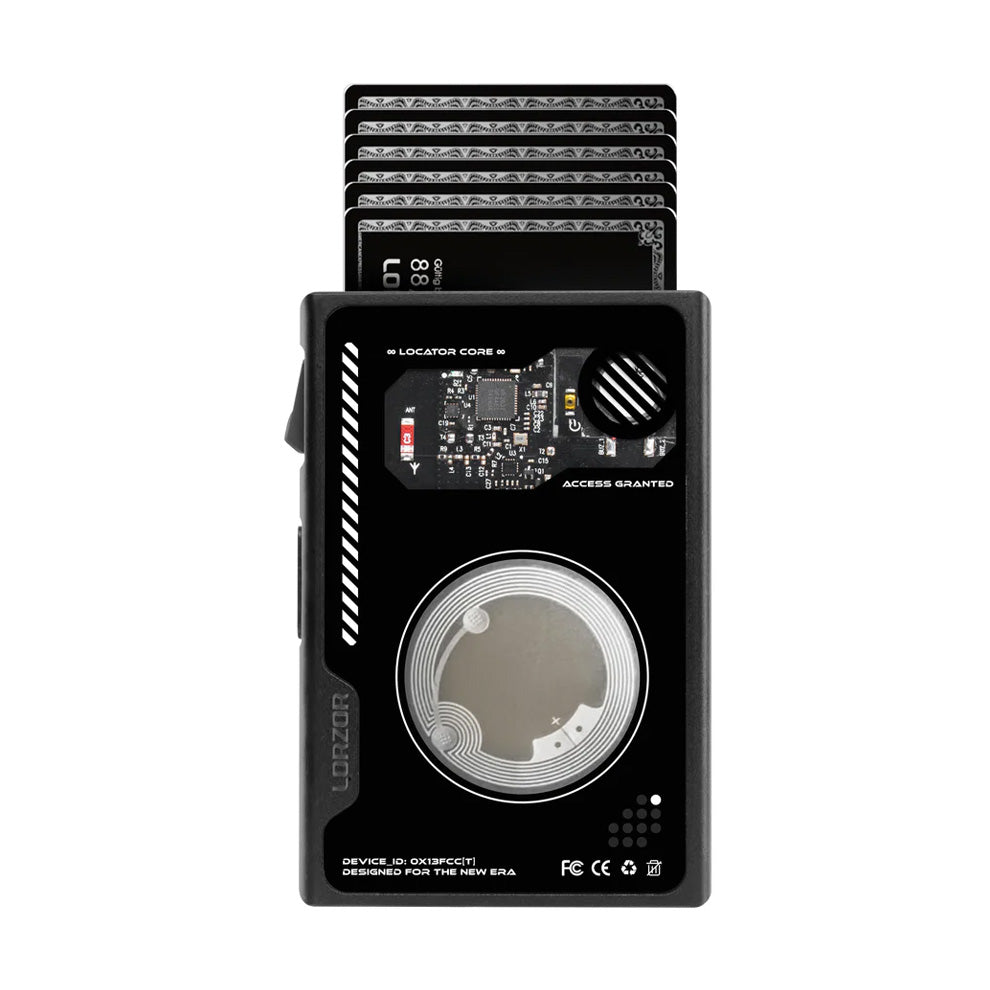
A front-pocket wallet has to stay comfortable after cards and cash are inside, not only when photographed empty. A leather wallet should feel good in the hand, but it should also be supported by structure where structure matters. A smart wallet should make access or tracking easier without adding weak points or unnecessary bulk.
Durability is not only about surviving abuse. It is about staying useful through ordinary repetition.
Materials Should Serve the Use Case
Material choice matters because each material has a job to do.
For carry goods, the better question is not only "What is this made of?" It is also "Does this material make sense for how the product will be used?"
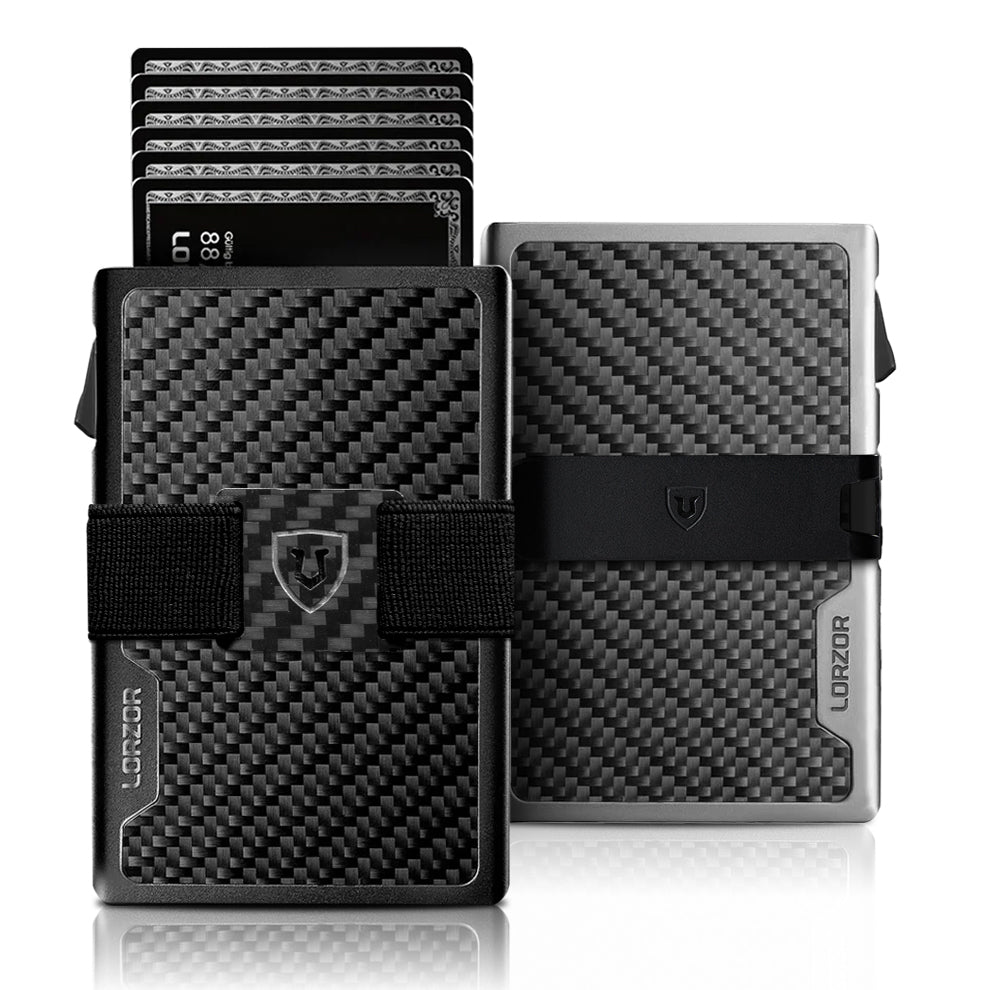
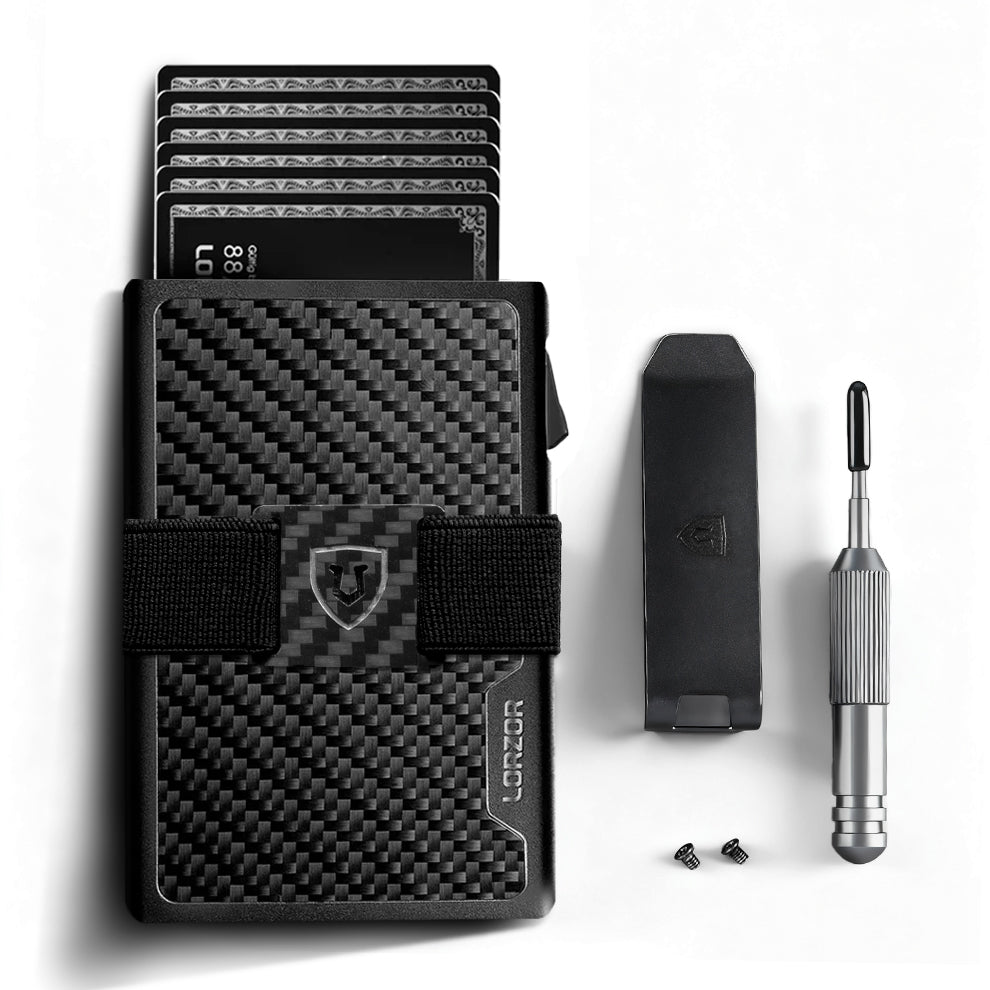
Leather can bring warmth, grip, and character to a wallet. Metal or structured components can help with shape, card security, and access. Travel carry may need a different balance of flexibility, organization, and protection than a slim card holder.
Some LORZOR products use LWG-rated leather or leather from related responsible supply channels. For the customer, the value is simple: the material should feel good, hold its shape, and suit the way the wallet is used every day.
A better material story starts with fit: the right leather, structure, and finish for the job the product has to do.

The Wrong Product Wears Out Faster
Durability is also a fit problem.
If someone buys a wallet that is too small for their real carry, they may overload it. If they buy a large wallet but want front-pocket comfort, they may fight it every day. If they buy an AirTag-ready wallet without wanting the extra tracker shape, they may see the feature as bulk. If they buy a minimal card holder but still carry cash, ID, backup cards, and receipts, the product may be blamed for a job it was never meant to do.
This is why clear product information is part of durability.
A product page should help the customer understand capacity, layout, material, tracking compatibility, AirTag inclusion, RFID-blocking status, and best-fit use case. When a customer chooses the right product, the item is more likely to stay in use.
That is one practical way to think about responsible carry goods. The most responsible product is not the one with the most impressive wording. It is the one that fits the user's life well enough to be kept.
Packaging Has to Protect Before It Can Improve
Packaging is easy to criticize and harder to balance.
LORZOR uses paper-based boxes for product packaging. Some packaging also uses an outer protective film to help reduce scuffs, moisture exposure, and transit damage before the product reaches the customer.
That is not a perfect end point. It is a practical balance.
If packaging is too weak, products can arrive damaged. That can create returns, replacements, extra shipping, extra packaging, and more waste. If packaging is excessive, it creates unnecessary material use.
The better path is steady improvement: protect the product well, use material thoughtfully, and keep reducing unnecessary excess where it can be reduced.
Durability starts before checkout, but it also has to survive the journey after checkout.
Fulfillment Is Part of the Responsibility System
Sustainability is often discussed as if it only belongs to materials.
It also belongs to movement.
LORZOR uses both overseas warehouses and international fulfillment locations. In many cases, inventory movement is planned through ocean freight. That supports more stable stock planning and can reduce reliance on rushed, fragmented movement where practical.
It is a practical part of the system behind a product.
Better fulfillment planning can reduce avoidable split shipments, reshipping, delays, and unnecessary movement. It can also make the customer experience more predictable, which reduces support pressure and avoidable returns.
Responsibility is not only what a product is made from. It is also how the product gets to the person who will use it.

Support Helps Products Stay in Use
A product that can be understood, cared for, and supported has a better chance of lasting longer.
That includes clear product instructions, care guidance, return information, warranty direction, and responsive customer service. It also includes honest expectation-setting: leather changes with use, card capacity has limits, tracking features depend on the exact product, and no carry object benefits from being overloaded.
Support is not separate from durability.
If a customer can solve a small issue, understand normal wear, choose the right replacement part or support path, or get a fair answer quickly, the product is more likely to stay in use instead of being abandoned.
For LORZOR, this is part of practical responsibility. The product should not disappear from the brand's attention after checkout.
What Built to Last Means for LORZOR
Built to last starts with a practical standard: design for repeated use.
A product should have a clear job. It should use materials that make sense for that job. It should be described honestly before purchase. It should be packed well enough to arrive properly. It should be supported after purchase.
For a durable wallet, that means asking grounded questions:
- Does it carry what the customer actually uses?
- Does it stay comfortable after it is loaded?
- Are the edges, folds, structure, and access points designed for repetition?
- Are the material and features easy to understand before purchase?
- Does the customer know how to use and care for it?
Those questions may sound less exciting than a big sustainability slogan.
They are also more useful.
A Better Product Should Delay Replacement
The most practical form of responsibility is often simple:
Make something worth keeping.
A durable wallet or carry object does not need to be replaced too quickly. It does not ask the customer to buy again because the first product failed too soon. It does not use technology as decoration or material language as theater. It earns its place by working through real days.
That is why durability starts before checkout.
By the time a customer clicks buy, the important work should already be underway: better design, better fit, better materials, better information, better protection, and better support.
Built to last is not only about the product surviving.
It is about making the product worth keeping.
Right in Hand. Ready for the Road.
FAQ
What makes a wallet durable?
A durable wallet depends on material choice, construction, edge finishing, card layout, loaded thickness, closure design, and whether the product fits the user's real carry habits. Durability is not only about strong material; it is also about smart design and proper use.
How is durability related to sustainability?
A product that stays useful longer may reduce the need for frequent replacement, extra packaging, repeated shipping, and avoidable returns. Durability is not the whole of sustainability, but it is one practical starting point for responsible carry goods.
What materials support durability?
Some LORZOR products use LWG-rated leather or leather from related responsible supply channels. Across the range, the focus is to choose materials that suit the product's job: leather for hand feel and character, structured components for card access and shape, and protective packaging that helps the product arrive ready to use.
Is paper packaging always more sustainable?
Paper packaging helps, but protection still matters. LORZOR uses paper-based boxes, and some packaging includes an outer protective film to reduce scuffs, moisture exposure, and transit damage. The goal is to protect the product without adding unnecessary excess.
How can I make a wallet last longer?
Do not overload it, keep it away from excessive moisture, avoid storing it with sharp objects, and choose a wallet that fits your real card, cash, ID, and tracking needs. Proper fit and normal care are part of long-term use.
Are all LORZOR wallets made from the same leather?
No. LORZOR makes different wallet styles for different carry needs, so materials and construction can vary by product. A slim card holder, an AirTag wallet, and a travel carry piece may not need the same leather, lining, hardware, or internal structure.
Explore Durable Carry
Explore LORZOR carry goods built for practical use, material feel, and everyday movement.