Do RFID-Blocking Wallets Really Work?
RFID-blocking wallets can interrupt contactless card reads, but the material, protected compartment, and way the card is stored all matter. Here is the useful version of the answer.
You tap a card at a coffee counter and the payment goes through before you have put your phone away. At an airport, a passport chip can be read without opening the cover. Contactless technology is convenient precisely because it does not need a metal contact or a swipe.
So it is reasonable to ask whether a wallet can interrupt that communication while the card is in your pocket.
The short answer is yes: a properly constructed RFID-blocking wallet can prevent a compatible reader from communicating with a card stored completely inside its protected area. The longer answer is more useful, because not every pocket is necessarily protected and RFID blocking does not solve every kind of payment fraud.

What Does an RFID-Blocking Wallet Actually Block?
RFID is a broad term covering several radio-frequency identification systems. For wallets, the relevant conversation usually centers on contactless cards operating at 13.56 MHz, the base frequency used by Near Field Communication.
When a contactless card is brought close to a compatible reader, the reader creates a radio-frequency field and attempts to communicate with the card. A shielding layer interrupts that exchange. Depending on the wallet, the barrier may come from a conductive metal card chamber, shielding fabric built behind the leather, or a combination of materials.
There is no button to press. The wallet is not disabling the card or changing its chip. It is simply placing a physical barrier between the stored card and the reader.
Take the card out, and it works normally again.

How Do You Know the Protection Works?
An RFID logo is easy to print. A reading test is harder to argue with.
LORZOR has tested its RFID-blocking structures under professional laboratory conditions at 13.56 MHz. The testing included contactless credit cards and professional signal test cards. With the cards fully inserted into the intended protected compartments, the reader could not establish a read in the tested configurations.
The work is supported by TÜV and AGC testing documentation. LORZOR also uses dedicated reading equipment for internal checks and has photographed and filmed the test process. That evidence matters because RFID protection is mostly hidden inside a product. You cannot judge shielding fabric from the grain of the leather, and an aluminum card chamber does not reveal its test result in a studio photograph.
Testing should answer a practical question: when this card is placed in this part of the wallet, can the reader communicate with it?

The Protected Pocket Matters More Than the Label
Here is the detail most short product descriptions miss: RFID protection applies to a protected compartment, not automatically to every inch of a wallet.
A pop-up wallet may use its aluminum chamber as the shielded area. A bifold or passport holder may place RFID-shielding fabric behind selected panels. An outside slot may remain unshielded because it is intended for quick access.
The card also needs to sit completely inside the protected area. If half the card is exposed, the shielding is no longer surrounding it as designed.
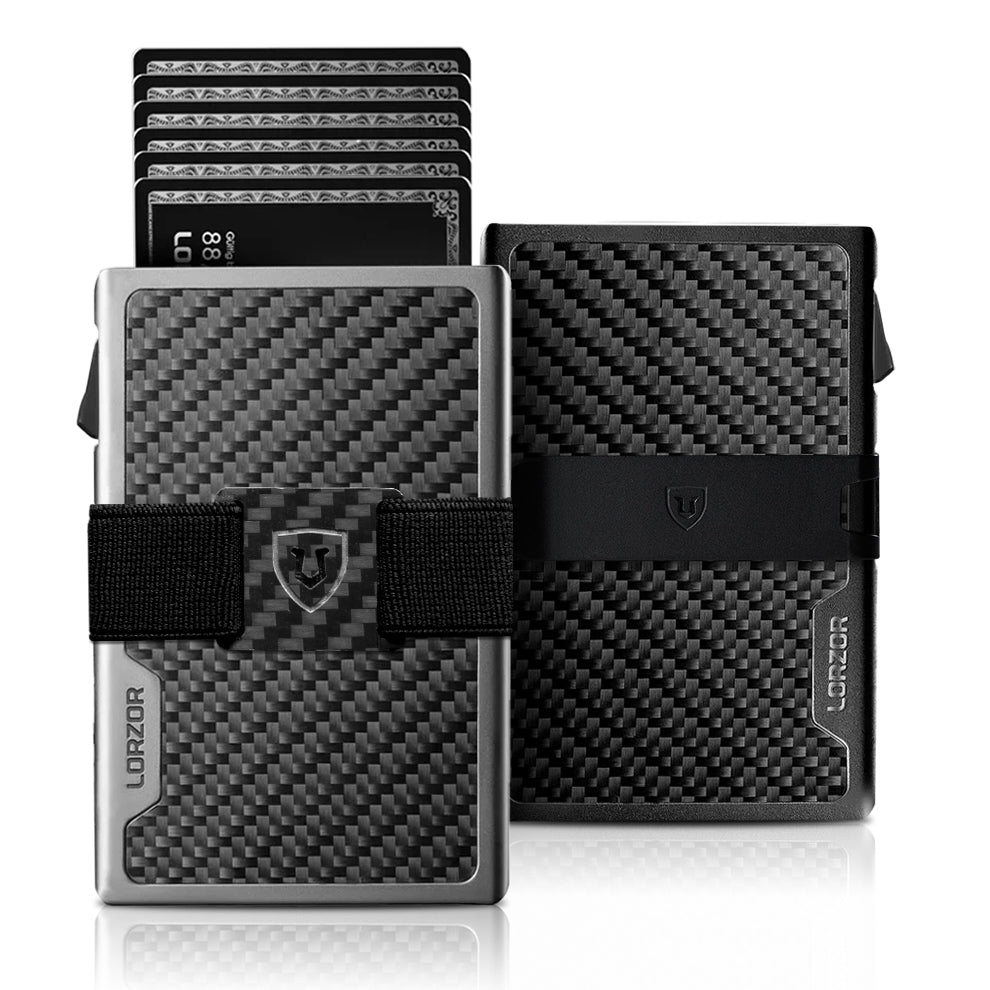
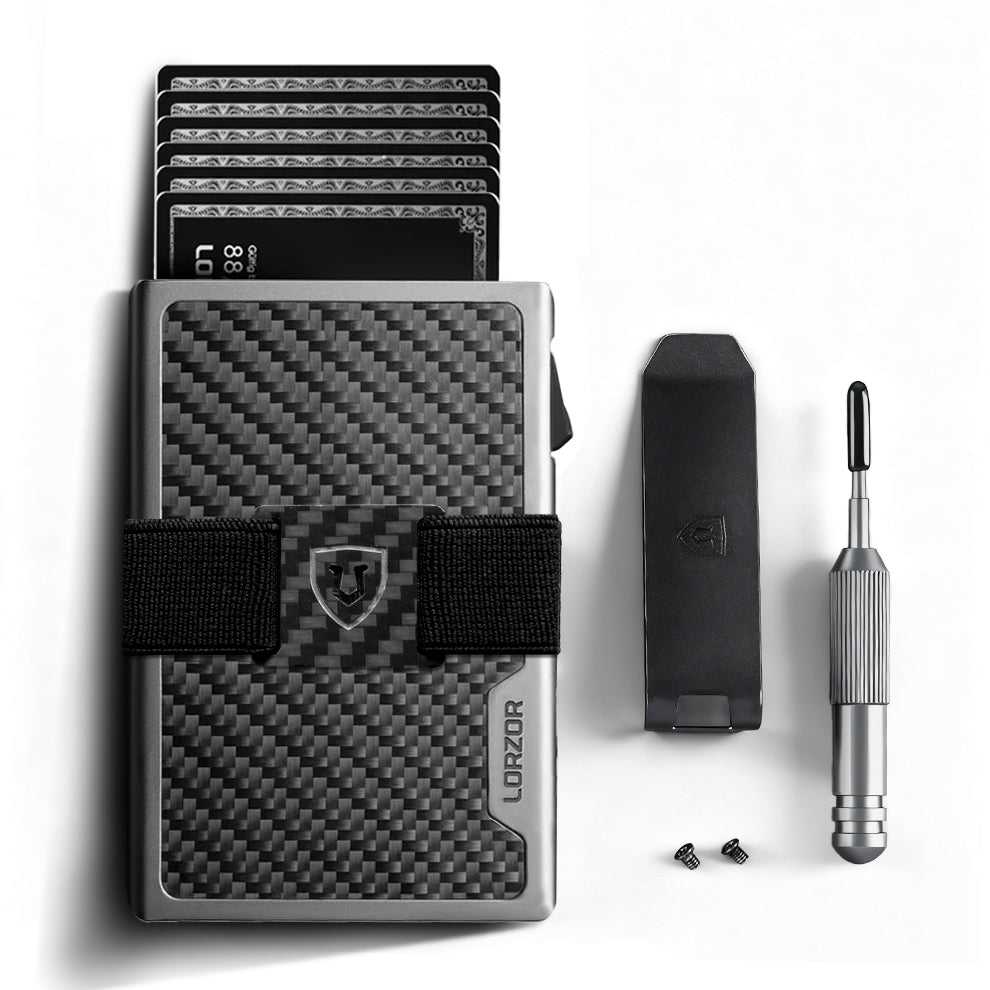
The LORZOR 1979 Tactical Wallet is a clear example. Its aluminum pop-up chamber provides the RFID-protected storage. The exposed front leather slot is useful for a card you want to reach quickly, but that slot is not RFID protected. A payment card that you want shielded belongs fully inside the aluminum chamber.
This is why a useful product diagram should identify protected and unprotected zones instead of placing one RFID badge beside the entire wallet.
Do You Really Need an RFID Wallet?
Not everyone needs to treat RFID blocking as the first feature on a shopping list. Card access, loaded thickness, durability, comfort, and the way a wallet handles cash may matter more in daily use.
RFID protection makes the most sense as a quiet extra layer. It can be useful for travelers carrying contactless cards through airports and crowded transport, commuters using tap-based payment systems, and anyone who prefers cards to remain unreadable until they are deliberately removed.
It should not turn an ordinary day into a security drama. Contactless cards are built for short-range use, and an RFID-blocking wallet is one physical precaution, not proof that every passing phone is trying to empty a bank account.
The same principle applies whether a product is marketed as an RFID wallet for men or an RFID wallet for women. The protection comes from the tested construction and correct card placement, not the label, color, or style category.
What RFID Blocking Cannot Do
An RFID-blocking wallet cannot stop someone from stealing the wallet itself. It cannot prevent phishing, online card fraud, compromised merchant data, account takeovers, or purchases made with card details obtained elsewhere. It also cannot shield a card while the card is in your hand or sitting in an unprotected outside slot.
That does not make the feature meaningless. It gives the feature an honest job: interrupt compatible contactless reads while the card is fully stored in the protected compartment.
Good security usually comes from layers. Use account alerts, lock a missing card quickly, protect online credentials, and keep the physical wallet where you can feel it. RFID shielding belongs beside those habits, not above them.
How to Choose an RFID-Blocking Wallet
Start with four questions.
First, what frequency was tested? For contactless payment cards, look for clear information about 13.56 MHz rather than a vague promise to block every wireless signal.
Second, where is the protected area? The product page should identify whether shielding is in the main card chamber, inner card slots, passport section, or another compartment.
Third, does the wallet still suit the way you carry? A shielded wallet that becomes uncomfortable when loaded or hides your most-used card behind several steps will be annoying long after the security badge has been forgotten.
Finally, is there evidence behind the claim? Test documentation, photographs, video, and product-specific diagrams are more useful than a row of unexplained icons.
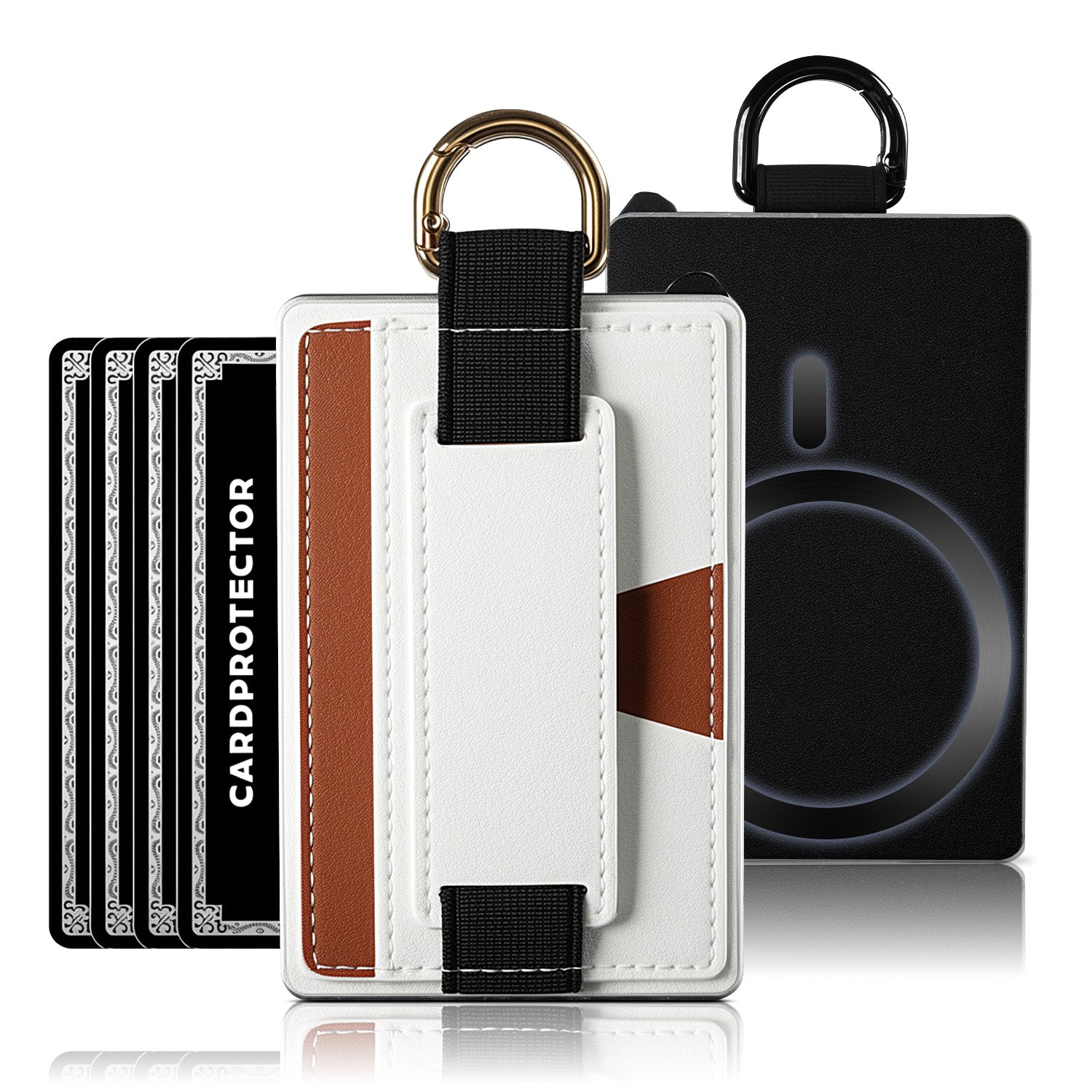
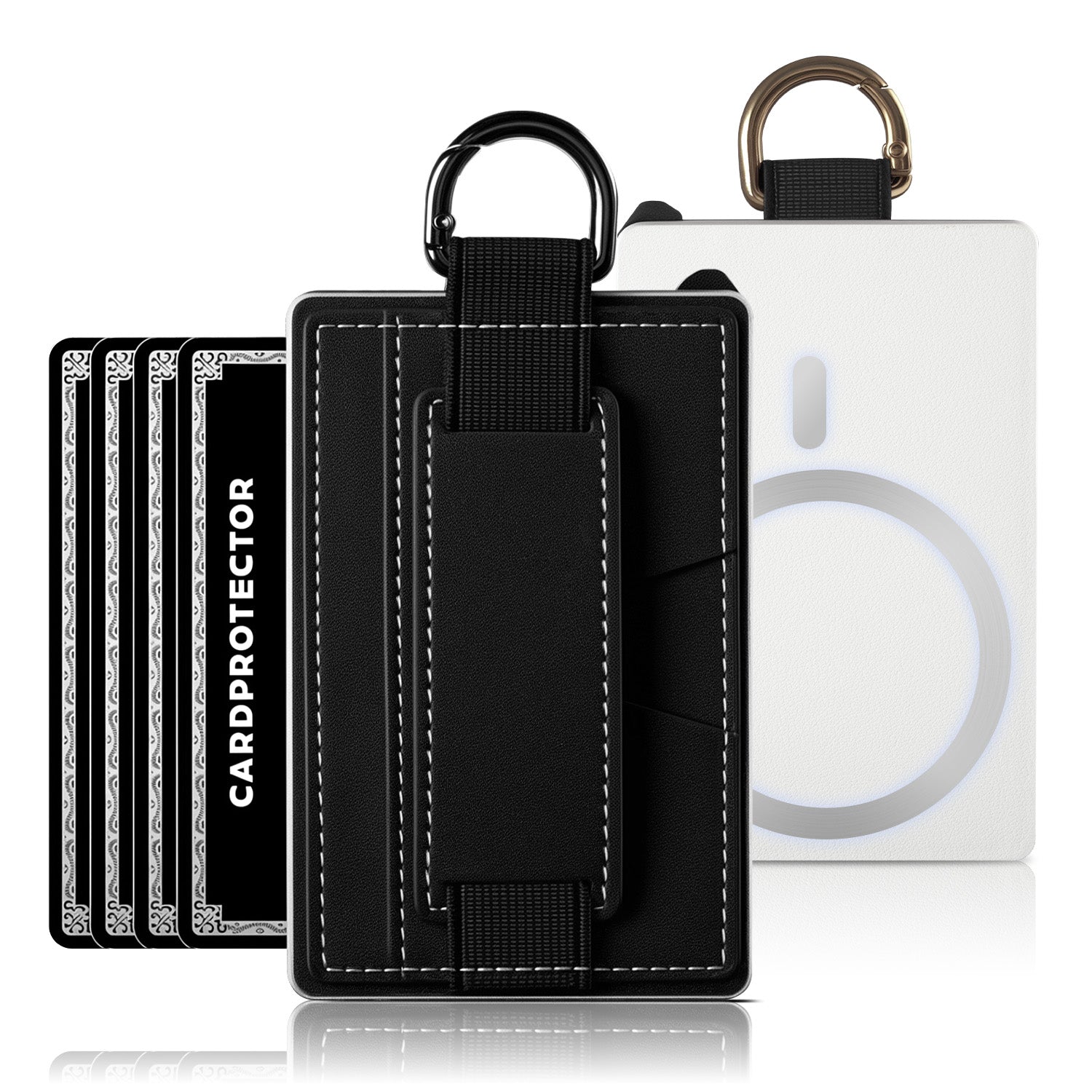
All current LORZOR wallet and passport-holder families include an RFID-protected area. Some designs use an aluminum chamber, while others use shielding fabric within selected compartments. The right choice depends on whether you prefer pop-up access, traditional leather organization, AirTag-ready storage, a passport format, or a simpler card layout.
The Useful Answer
Do RFID-blocking wallets really work? Yes, when the shielding has been properly constructed and tested, and when the card is fully stored in the protected area.
The better question at checkout is not simply, “Does this wallet have RFID?” Ask where the protection is, what was tested, and whether the rest of the wallet fits your actual carry.
That is the difference between buying a feature label and choosing a wallet you understand.

FAQ
What cards can an RFID-blocking wallet protect?
RFID-blocking compartments are designed for compatible contactless cards operating within the tested frequency range. LORZOR tests at 13.56 MHz using contactless credit cards and professional signal test cards.
Does every pocket in an RFID wallet block signals?
Not necessarily. Protection depends on where the aluminum chamber or shielding fabric is located. Check the product diagram and keep cards that need shielding fully inside the identified protected area.
Will an RFID wallet damage my cards?
No. The shielding does not rewrite or switch off the card. Once removed from the protected compartment, a working contactless card can be used normally.
Are outside quick-access slots RFID protected?
Only when the specific product identifies them as protected. Some exterior slots are intentionally unshielded. On the LORZOR 1979 Tactical Wallet, the aluminum chamber is protected and the exposed front leather slot is not.
Does RFID blocking stop all credit-card fraud?
No. It addresses compatible contactless reads while a card is stored in the protected area. It does not prevent physical theft, online fraud, phishing, account compromise, or misuse of card details obtained elsewhere.
Do LORZOR passport holders include RFID protection?
Yes. Current LORZOR passport-holder families include an RFID-protected area. Consult the product-specific layout to see which section provides shielding.
Find Your RFID-Protected Wallet
Choose the card access, leather layout, and protected compartment that fit the way you carry.