Payments Are Getting Smarter. Your Wallet Should Too.

Paying for something in America does not look the way it used to.
A coffee counter can take a tap from your phone. A grocery store terminal can read a contactless card. A flight can live in an app. A concert ticket can sit in Wallet. A driver license or state ID can be presented from a phone in select places. A parking meter might ask for an app instead of coins.
The payment moment has become faster, cleaner, and more digital.
But look at what most people still carry when they leave the house.
A credit card. A debit card. A driver license. A work badge. A hotel key card. A transit card. A little cash folded behind something else. Maybe a backup card that only comes out when the first method fails.
Payments are getting smarter.
Everyday carry is still physical.
That is exactly why the wallet has to evolve.
Smart Payments Still Need Physical Cards
The mistake is thinking that smarter payments mean cards are fading away.
In the U.S., that is not really how people pay.
Mobile payments are growing, but they often sit on top of credit cards and debit cards. When someone taps a phone at checkout, the payment may still be running through the same card network they already use. The card did not disappear. It became one layer deeper.
Federal Reserve payment data points in the same direction. Cards continue to dominate U.S. noncash payments by number, and credit card payments have grown strongly in recent years. Consumer payment research also shows credit and debit cards as the top payment tools by share of transactions, with cash still holding a meaningful place.
So the everyday question is not whether Americans still use cards.
They do.
The better question is this: if the way we pay is getting smarter, why are so many wallets still built like nothing changed?

The old wallet was designed for a different kind of pocket. It was built to hold everything: cards you forgot you owned, receipts you never needed, loyalty cards from stores you have not visited in years, business cards from people whose names are now a mystery, and cash folded into strange shapes.
A smarter payment world does not need that kind of wallet.
It needs a cleaner one.
The Wallet's Job Has Changed
A modern wallet does not need to carry your whole paper trail.
It needs to carry the things that still matter.
That usually means a few payment cards, a physical ID, maybe a work or building access card, a transit card, a hotel key during travel, and a little cash for the moments when the system is not as modern as the sign on the door.
Those items are not clutter. They are the useful layer of your daily carry.
The problem starts when they are packed into a wallet that was never designed for speed, front-pocket comfort, modern card protection, or findability.
You feel it in small moments.
Standing in line while the card you need hides behind three others. Sitting in a car with a thick wallet pressing into your pocket. Checking out at a gas station where the phone tap does not work. Digging for a license at a hotel desk. Looking around the house because your wallet is not where it should be.
None of these moments are dramatic.
They are just annoying.
A good smart wallet is built for those exact moments.
What Makes a Wallet Smart Today
A smart wallet should not be smart because it has the longest feature list.
It should be smart because it makes the everyday payment moment cleaner.
Fast Card Access

If you still carry physical cards, the card you use most should not be buried. Pop-up card access makes sense because it turns a small, repeated action into something quick and controlled.
That matters at coffee shops, subway gates, gas stations, hotel desks, parking garages, and anywhere someone is waiting behind you.
Better Organization
Payment cards, ID, folded cash, and backup cards should not all fight for the same space.
A better wallet gives each item a reason to be there. The goal is not to carry more. The goal is to stop the useful things from getting in each other's way.
Practical Protection

RFID protection belongs in the conversation, but not as a fear tactic.
Contactless cards are part of modern payments. A smart wallet should give those cards a practical layer of protection when they are stored in the right place.
Easier Findability
A wallet is one of the few things you check for before leaving the house, the car, the office, or the hotel room.
Tracking support is useful because it solves a very human problem: setting something down and forgetting where that was. The best version stays quiet until it is needed. It should not make the wallet feel like a bulky device.
Slim After Loading
A wallet can look slim when empty.
The real test is after the cards, ID, and folded cash go in. Does it still fit in a front pocket? Does it still feel controlled in the hand? Does it still look like something you want to carry every day?
That is where smart design becomes more than a product photo.
Why This Fits Modern American Carry

Modern American carry is mixed.
A phone handles part of the day. Cards handle another part. ID still matters. Cash still has a place. Travel adds more. Work adds access cards. Life adds exceptions.
That is why the best smart wallet is not trying to replace your phone. It is trying to make the physical side of the day work better.
Think about a normal week.
You tap a phone for coffee. Use a credit card at a restaurant. Show a license. Scan into an office. Pick up a hotel key. Keep a backup card for travel. Carry a little cash because one small place still wants it. Sit in a car. Move through an airport. Leave your wallet on a desk once and feel that small panic when you pat the wrong pocket.
This is the world a smart wallet has to serve.
Not a fantasy where everything has become digital.
Not an old world where every receipt needs to be saved.
The real one, where payments are smart but pockets are still physical.
Where LORZOR Fits
LORZOR looks at the smart wallet from the carry side first.
Before a wallet becomes technical, it has to be useful in the hand. It has to make cards easier to reach, keep the pocket cleaner, protect the essentials you still carry, and feel like something worth using every day.
That is why the LORZOR 1979 Tactical Wallet is a natural starting point for this conversation.

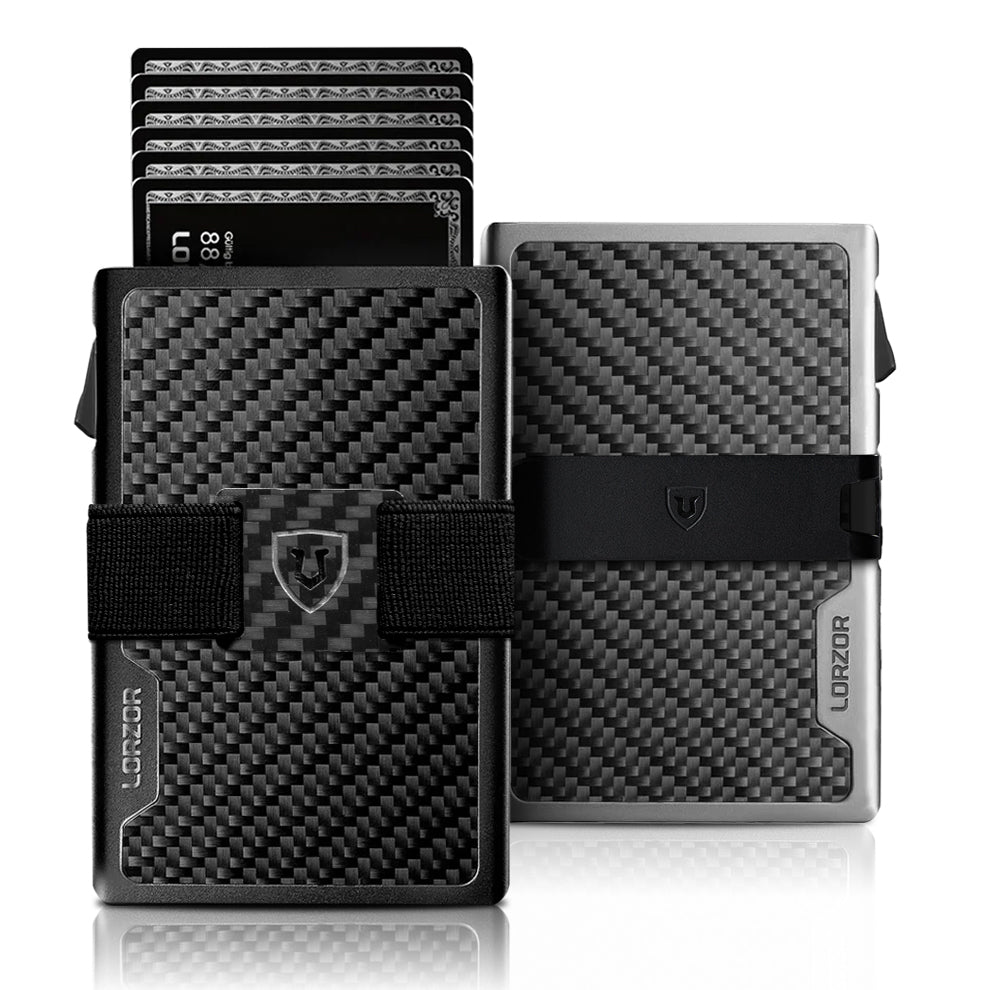
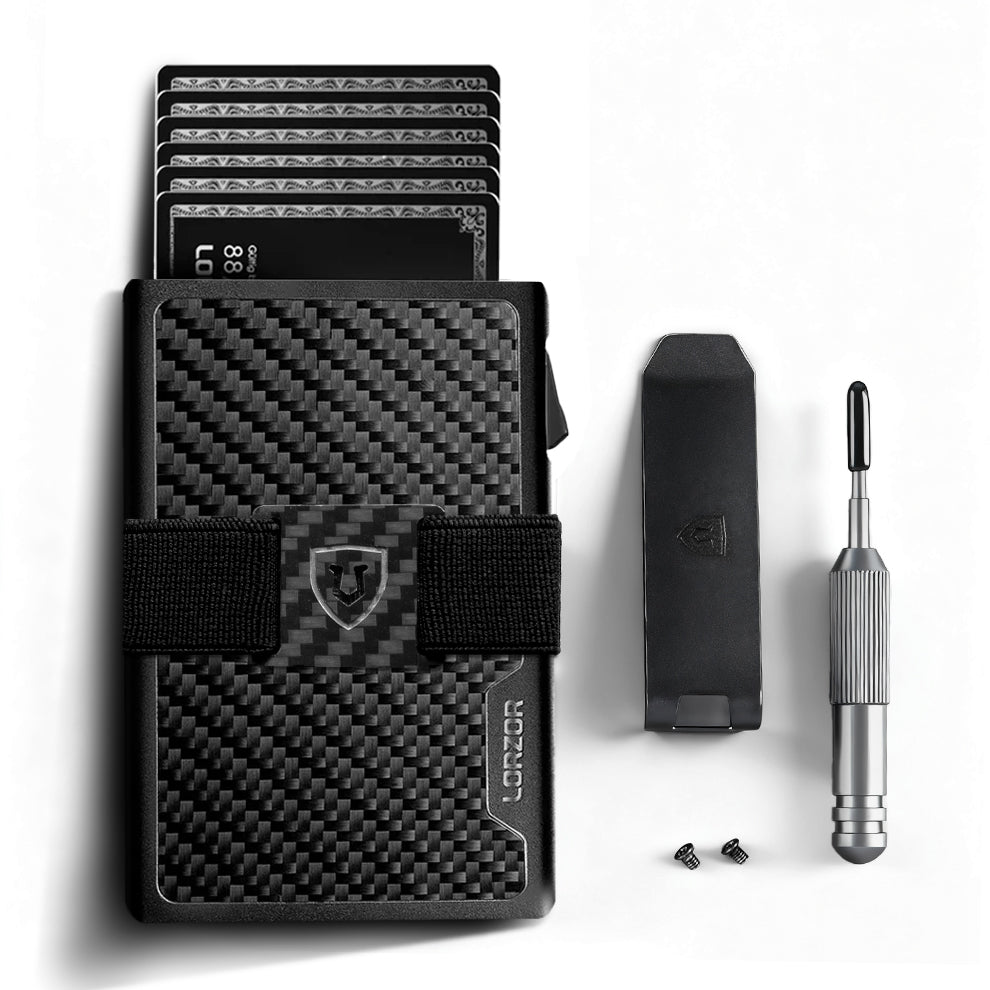
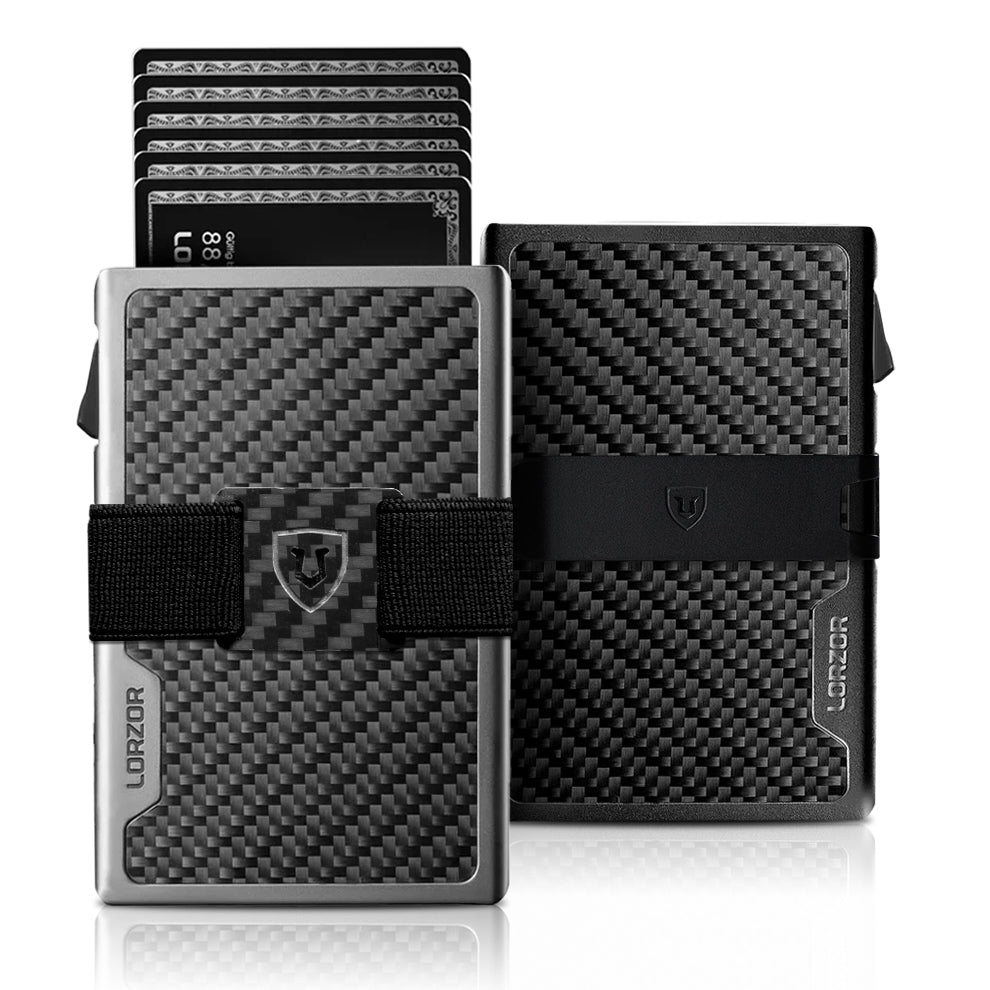
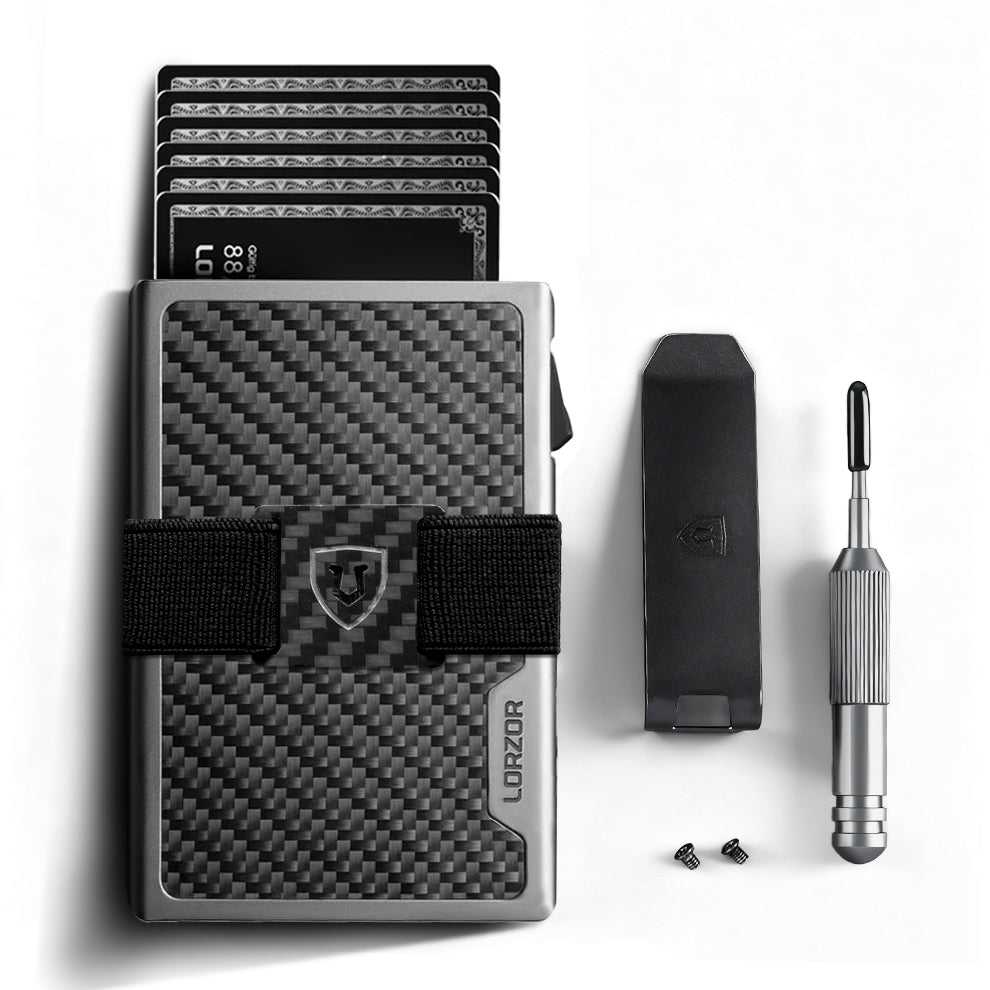
The 1979 is built for a payment world where cards still matter. Its pop-up card access helps bring frequently used cards forward quickly. Its RFID-blocking aluminum card chamber adds a practical layer of protection for contactless cards. Its full-grain leather exterior keeps the object warm in hand instead of cold and gadget-like. Its compact front-pocket shape helps reduce the bulk that made older wallets feel out of step with modern carry.
It is not trying to replace your phone.
It is built for the physical side of smart payments: the credit card you still use, the backup card you still want, the ID you still need, and the folded cash that still occasionally saves the day.
For users who want the same 1979 design language in a folding format, the LORZOR 1979 Fold Tactical Wallet adds a more familiar bifold structure with pop-up card access, compact organization, and full-grain leather feel.
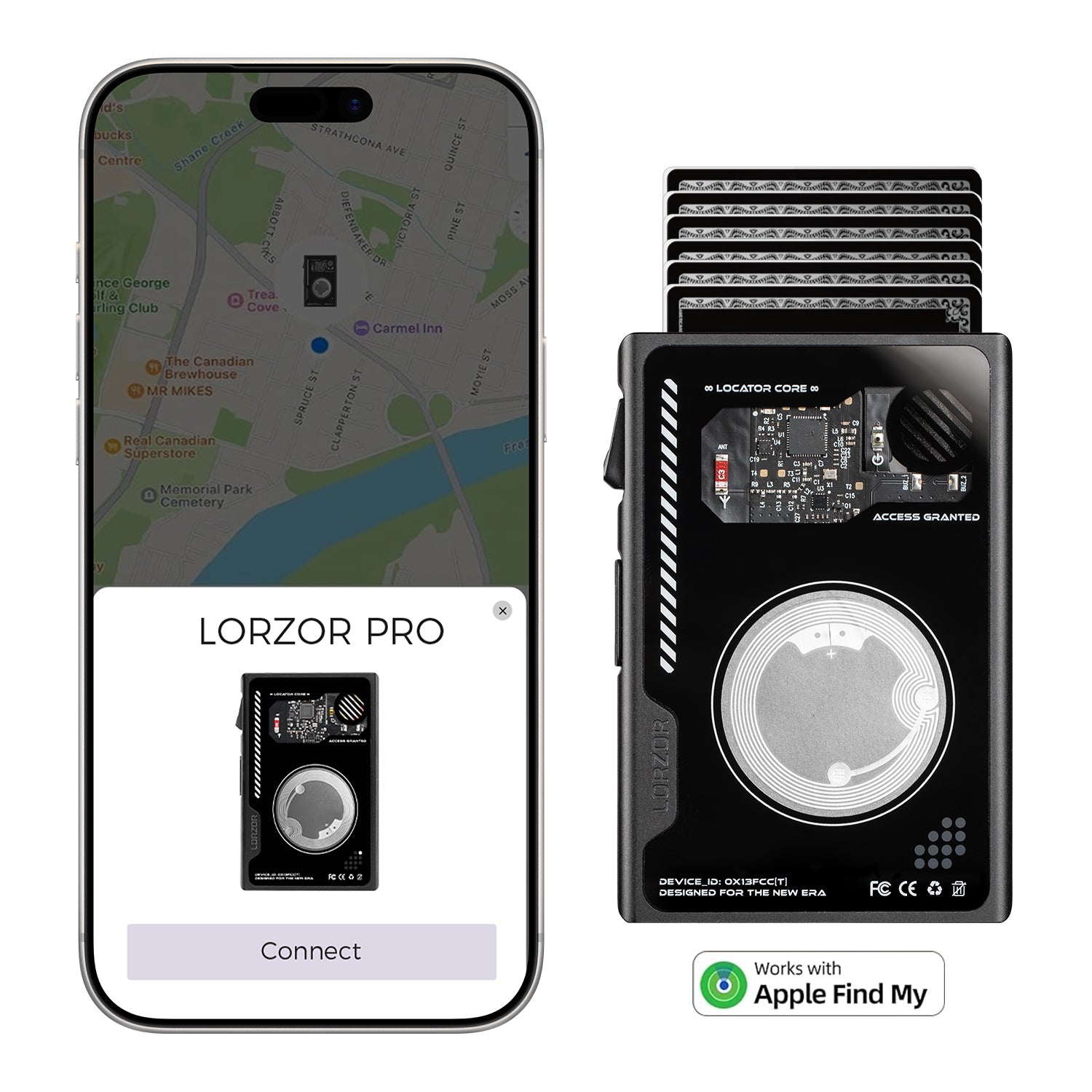
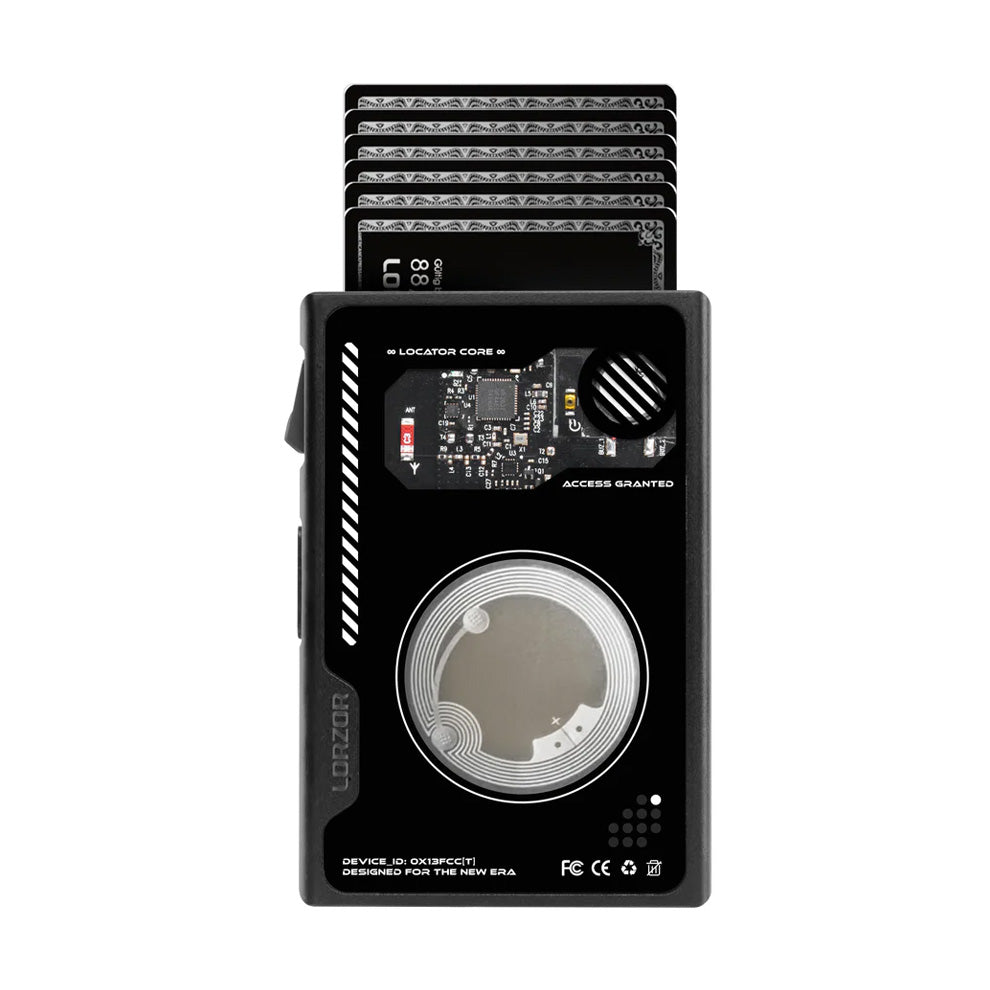
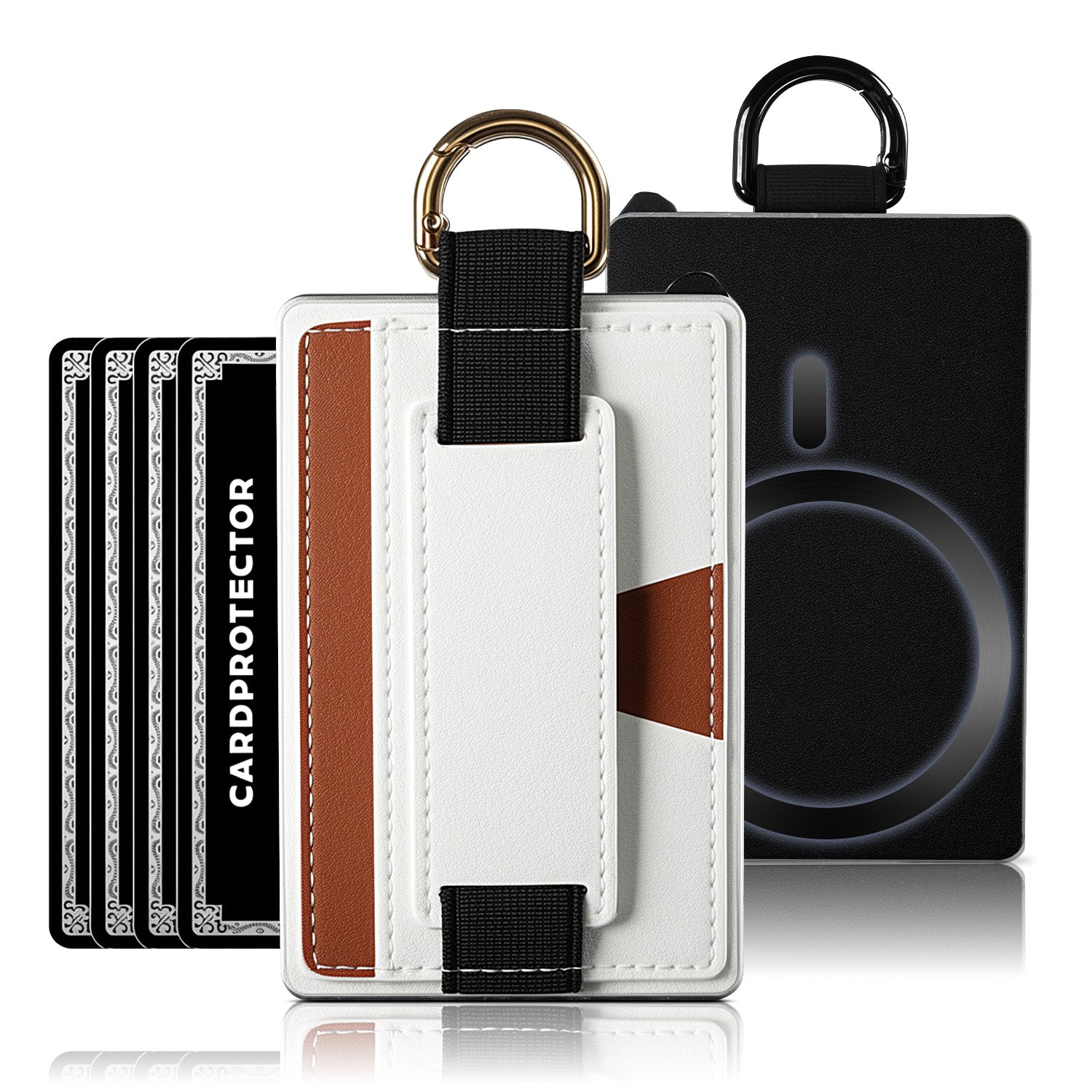
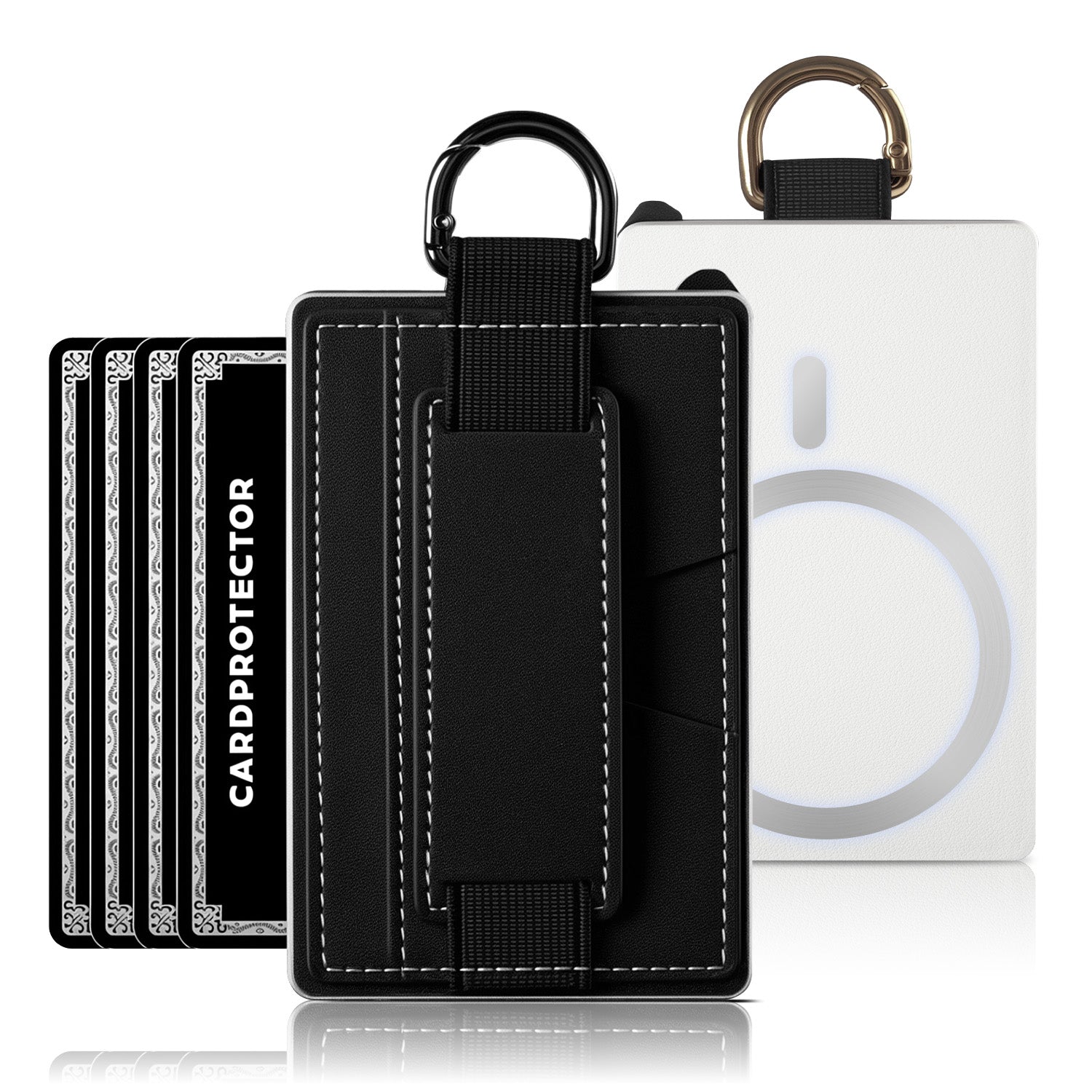
For people who want tracking built directly into the smart wallet experience, LORZOR Wallet Pro is the flagship trackable direction. It is designed for users who want trackable carry, pop-up card access, and an ultra-slim structure in one modern wallet.

For AirTag users, the LORZOR Bifold AirTag Wallet A1 / A2 / A3 / A4 family gives AirTag a dedicated place in a leather wallet design. AirTag is not included unless a specific bundle says otherwise.
For travel, the LORZOR Passport AirTag Wallet and LORZOR Passport Wallet serve another part of modern carry: passport, cards, cash, and travel documents moving together through airports, hotels, cars, and borders.
The point is not that everyone needs the same wallet.
The point is that your wallet should match the way you actually pay, move, and carry.
Smart Payments Need Smarter Carry

The future of payments is not making the wallet irrelevant.
It is making the old wallet easier to question.
If your phone, cards, ID, and travel tools all work harder than they used to, the thing that carries your physical essentials should work harder too.
That does not mean louder. It does not mean bulkier. It does not mean turning every wallet into a gadget.
It means quicker card access. Better organization. Practical RFID protection. Tracking when it matters. A shape that works in a front pocket. A material that still feels good in the hand.
Payments are getting smarter.
Your wallet should too.
FAQ
Why do smart wallets still matter if phone payments are growing?
Phone payments are growing, but Americans still use credit cards, debit cards, physical IDs, access cards, hotel cards, and cash. A smart wallet helps organize the physical essentials that still matter in daily life.
What makes a wallet a smart wallet?
A smart wallet usually improves one or more parts of everyday carry: card access, organization, tracking, RFID protection, slim front-pocket comfort, or better storage for ID and cash.
Do smart wallets replace credit cards?
No. A smart wallet does not replace credit cards. It helps carry and access the cards people still use, especially in a payment world where cards and phone payments often work together.
Is RFID protection still useful?
RFID protection can be useful as a practical layer for contactless cards when those cards are stored in the protected area of the wallet. It should be seen as one part of smart wallet design, not the only reason to upgrade.
Is a trackable wallet better than an AirTag wallet?
It depends on how you carry. A built-in tracking wallet is better for users who want tracking integrated into the wallet itself. An AirTag wallet is better for users who already use AirTag and want a wallet designed to hold it.
What is the best smart wallet for everyday carry?
The best smart wallet for everyday carry should be slim after loading, easy to use, comfortable in the hand, and matched to the cards, ID, cash, and tracking setup you actually use.